Menopause is the natural end of menstrual cycles. It occurs at age 51, on average, due to the depletion of the egg supply in the ovaries. However, women can go through menopause as early as age 35 or as late as age 57.
Perimenopause precedes menopause and can occur 8-15 years earlier. This transition often produces symptoms that can include weight gain, mood fluctuations, fatigue, and decreased libido, among others. Such changes may or may not be accompanied by sweating or hot flashes. During this time, menstrual cycles become much more irregular. Symptoms can last anywhere from months to years after menstruation ceases.
Estrogen production decreases during this time. During or after menopause, testosterone production begins to decrease as well, which can worsen the symptoms above.
There are many treatments available to women that can eliminate or lessen the severity of symptoms associated with perimenopause and menopause. These include:
- Hormone replacement therapy (HRT)
- Medications for maintaining bone stability and preventing osteoporosis (some of these may also control hot flashes)
- Psychoactive medications
- Lifestyle modifications such as exercise and avoiding smoking, alcohol, and excessive caffeine
- Relaxation therapy
Why choose UAB Medicine
UAB Obstetrics and Gynecology offers complete women’s healthcare, delivered by physicians and nurses dedicated to excellence. Our physicians are nationally recognized specialists in their fields, so you can rest assured that you are receiving the most advanced care available. Our program is consistently ranked among the best of its kind in the country by U.S. News & World Report.
As part of the UAB Division of Women’s Reproductive Healthcare, UAB Obstetrics and Gynecology’s services range from complete obstetric care to the medical and surgical treatment of complex gynecological concerns. Because UAB Medicine is a major center for research, patients may have access to promising new techniques and treatments not available at other medical centers. Our physicians are here for you at every stage of life, from your first gynecological exam to delivering your baby and helping guide you through menopause.
UAB Medicine’s Division of Reproductive Endocrinology & Infertility is staffed by nationally recognized physicians with years of experience in diagnosing and treating all types of infertility. We use a team approach that includes a reproductive endocrinologist, a urologist, genetic counselors, specialized nurses, and laboratory scientists.
A range of fertility treatments are available, including a type of surgery known as corrective microsurgery. For conditions that cannot be treated, procedures such as intrauterine insemination or in vitro fertilization (IVF) may be used to help a couple get pregnant.
Our fertility experts will determine a treatment plan that is best suited for each individual patient. As a major center for research, UAB Medicine continues to study advances in fertility treatment that can increase a couple’s chances of having a baby.
Care Providers
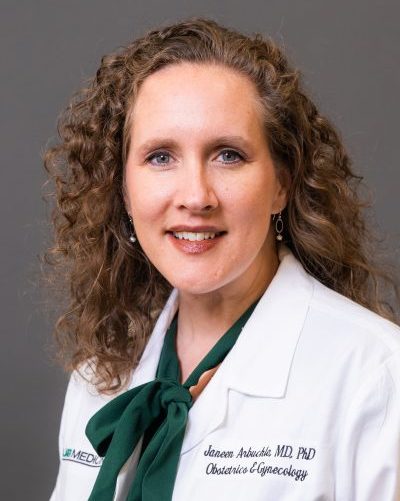 Janeen Arbuckle, MD, PhD
Obstetrics and Gynecology, Pediatric and Adolescent Gynecology
Janeen Arbuckle, MD, PhD
Obstetrics and Gynecology, Pediatric and Adolescent Gynecology
 Margaret Boozer, MD
Obstetrics and Gynecology
Margaret Boozer, MD
Obstetrics and Gynecology
 Stefanie Fieno, CRNP
Obstetrics and Gynecology
Stefanie Fieno, CRNP
Obstetrics and Gynecology
 Brian Gleason, MD
Gynecology
Brian Gleason, MD
Gynecology
 Jaqueline P. Hancock, MD
 Kim Hoover, MD
Obstetrics and Gynecology
Kim Hoover, MD
Obstetrics and Gynecology
 Todd Jenkins, MD
Gynecology
Todd Jenkins, MD
Gynecology
 Shweta Patel, MD
Obstetrics and Gynecology
Shweta Patel, MD
Obstetrics and Gynecology
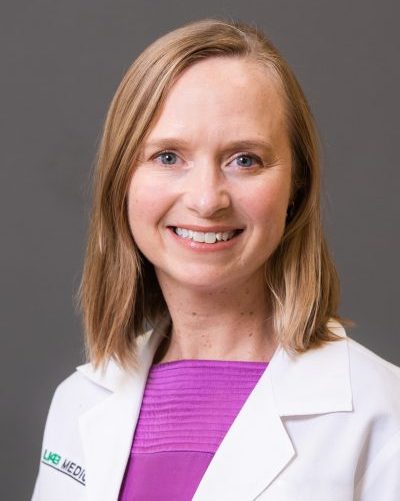 Chere' Stewart, MD
Obstetrics and Gynecology
Chere' Stewart, MD
Obstetrics and Gynecology
 Audra Williams, MD
Obstetrics and Gynecology
Ashley Wright, MD
Obstetrics and Gynecology
Audra Williams, MD
Obstetrics and Gynecology
Ashley Wright, MD
Obstetrics and Gynecology
Resources
Related Specialties
Clinical Trials
Speak to your physician about your options and browse the link below for more information