
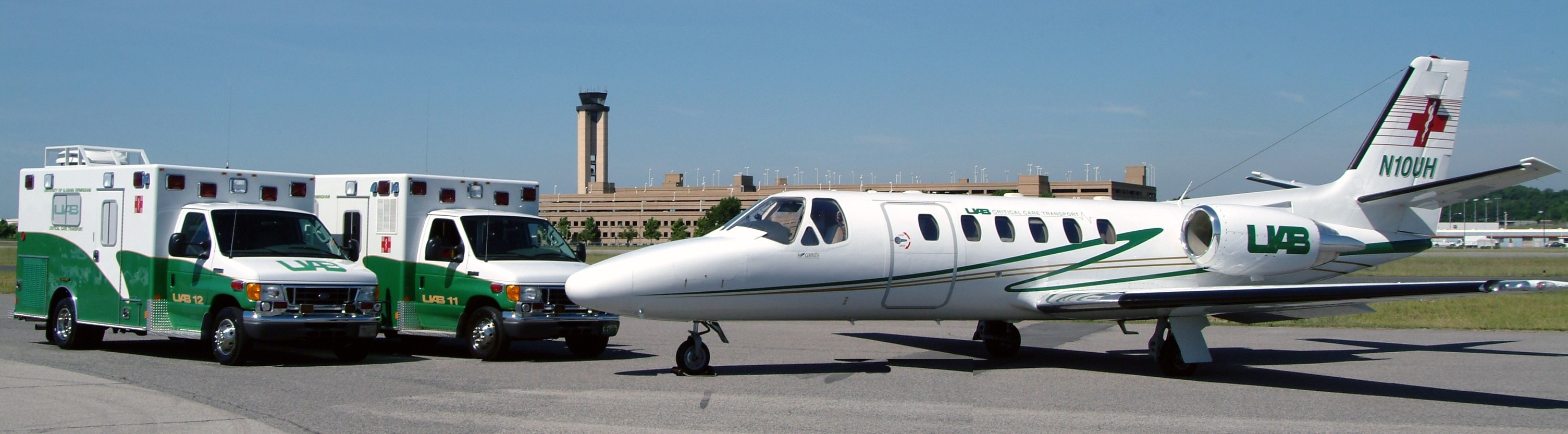
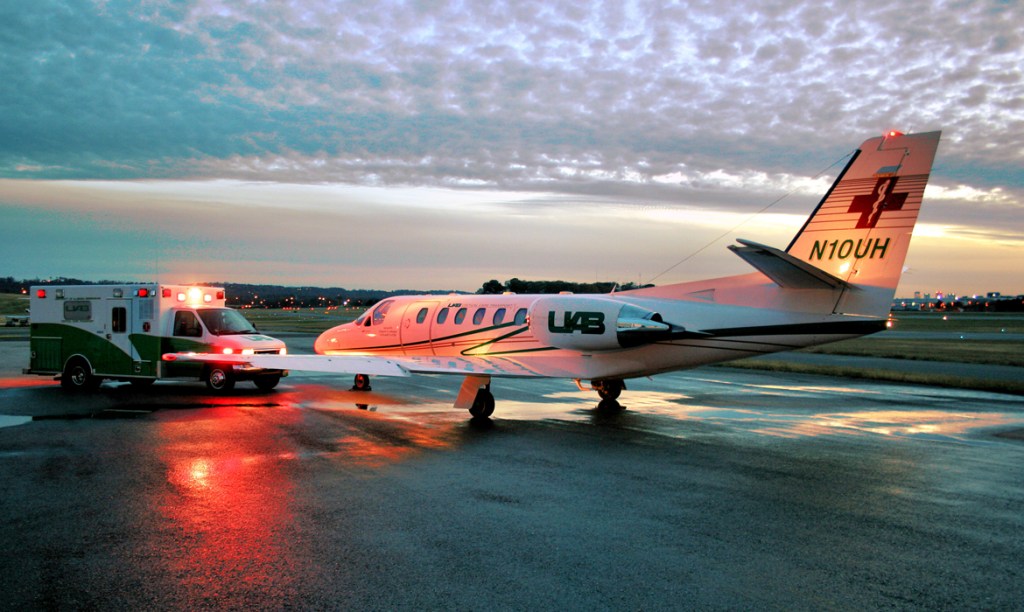
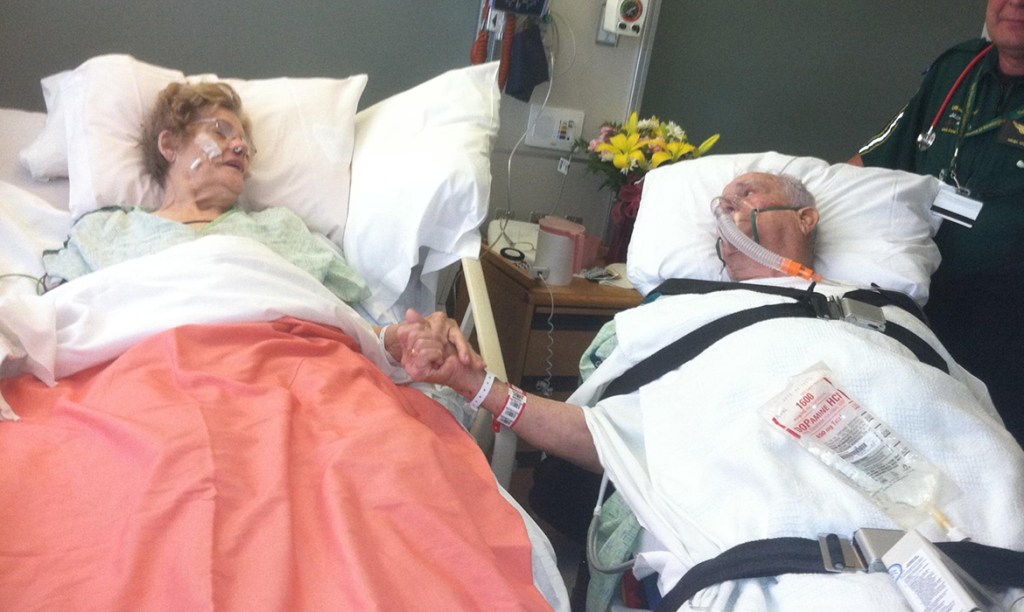
UAB Medicine’s Critical Care Transport (CCT) service is for people in the United States and worldwide who need to be transported from one medical facility to another for care. Launched in 1983, it has completed over 60,000 transports, and its jet can often fly above or around weather that is too rough for helicopters. Patients do not have to be going to or from UAB Hospital to use CCT.
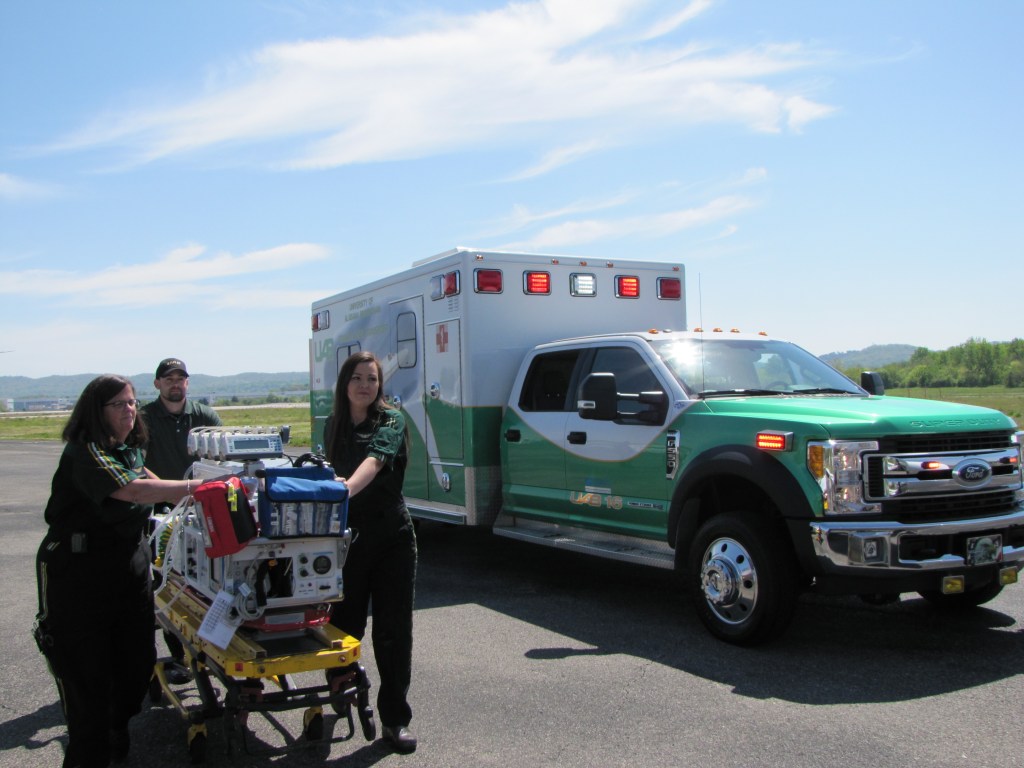
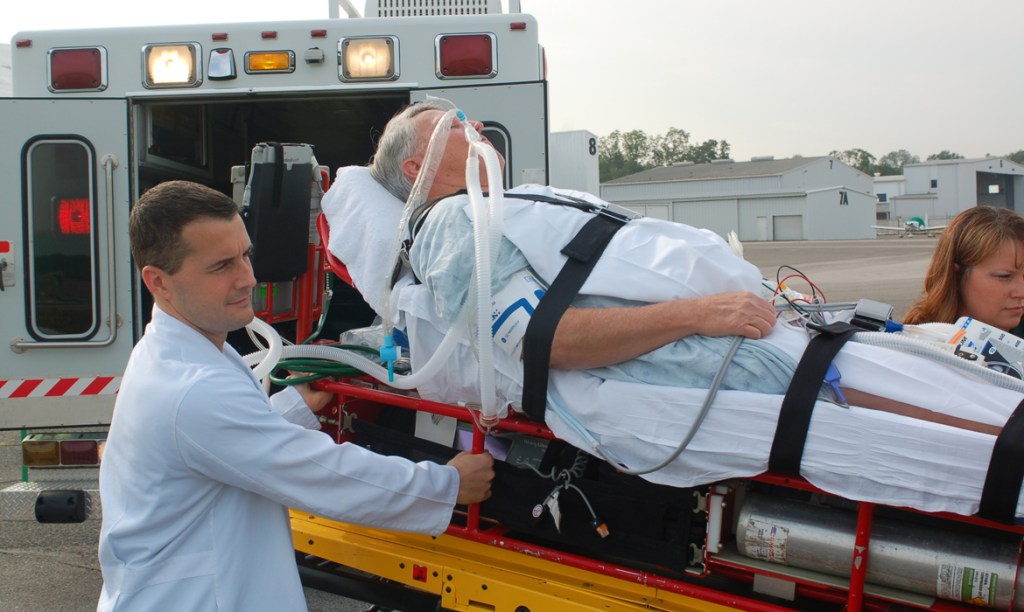
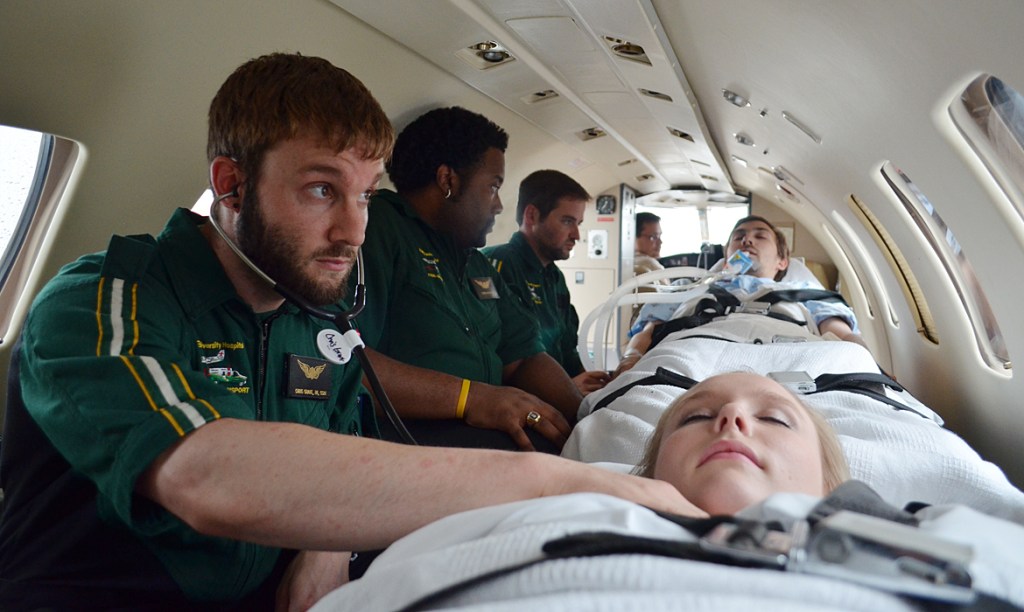
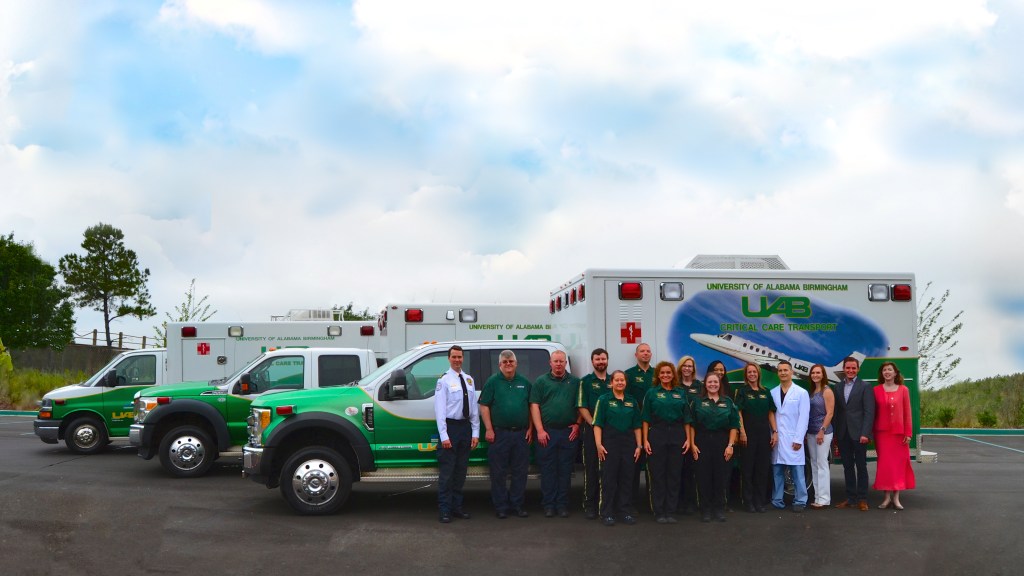
The service is available 24/7, 365 days a year. CCT makes complete arrangements for bedside-to-bedside transport, including ground transportation before and after flights. Its twin-engine jet aircraft features an onboard intensive care unit (ICU) that provides advanced support during long-distance transports, whether inside or outside the United States. For ground transports within 125 miles of Birmingham, CCT has a fleet of five vehicles that also are equipped with ICUs.
Our team and services
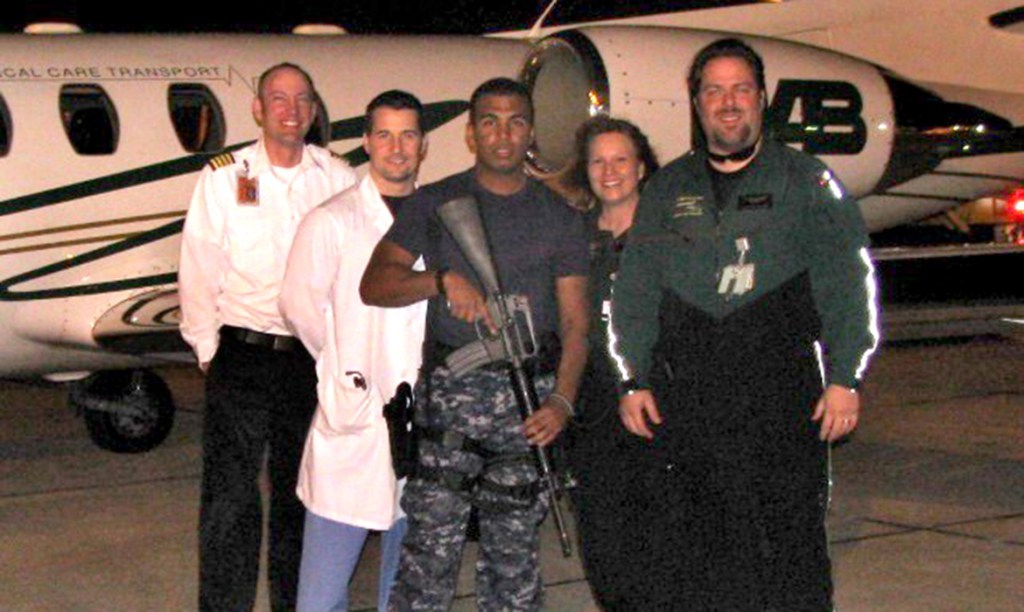
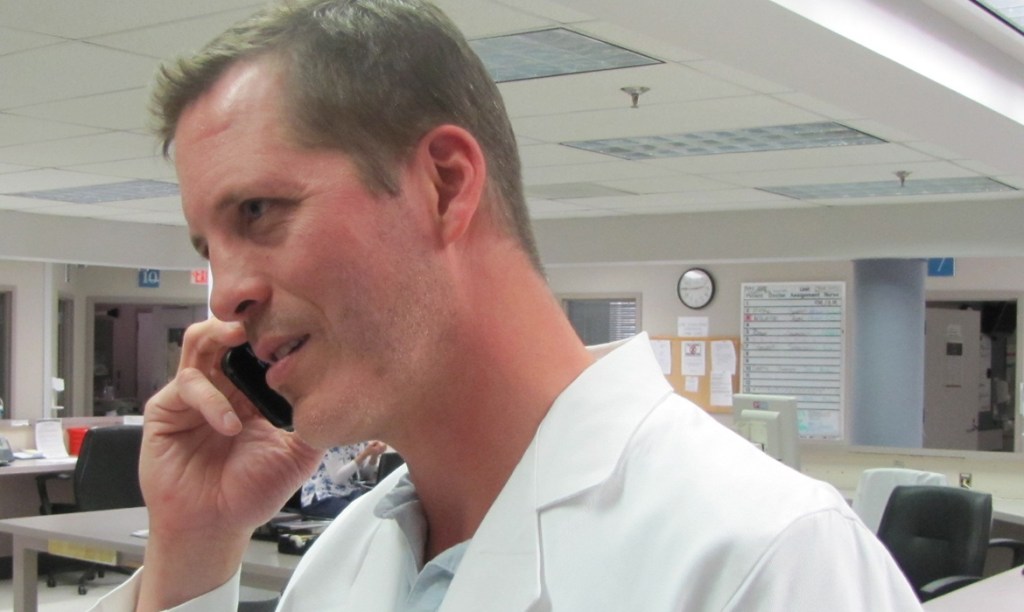
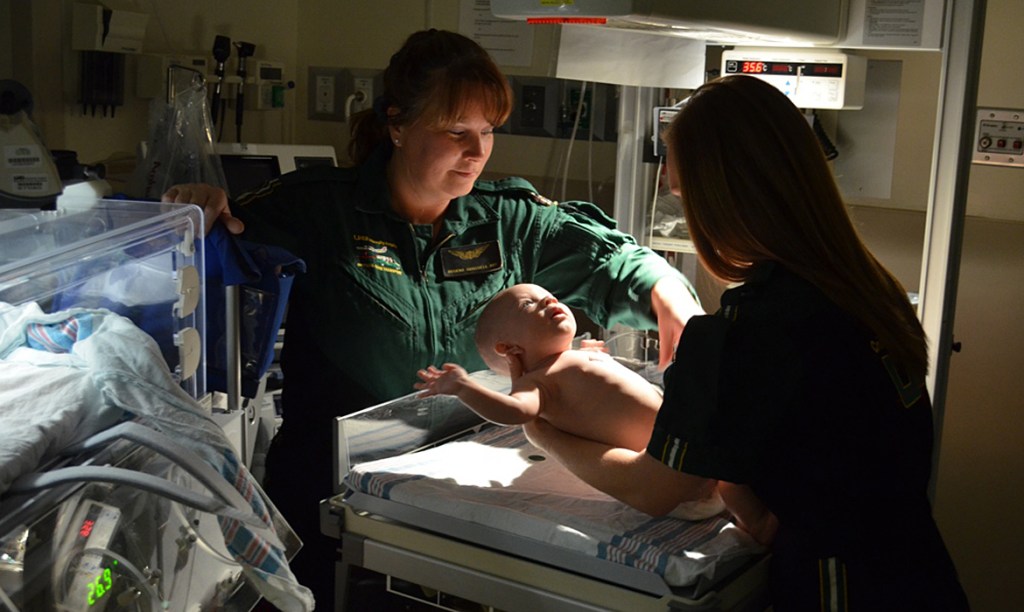
Each adult medical transport team includes an ICU-trained registered nurse (RN) and a registered respiratory therapist (RT), and physicians are available 24/7 as needed. Each team member is specially trained in aeromedical physiology, which studies how changes in pressure, temperature, and motion during flight affect the human body and mind. For neonatal patients, a neonatal nurse practitioner and/or respiratory therapist will be on the transport care team.
CCT’s onboard medical capabilities include:
- Ventilator management
- BiPAP breathing support
- End-tidal CO2 monitoring
- High-flow oxygen
- Nitric oxide (adult and neonatal)
- Neonatal high-frequency ventilation
- Laboratory analysis
- Intra-aortic balloon pump
- Ventricular assist devices, including impellas (heart pumps)
- Extracorporeal membrane oxygenation (ECMO) management
- Intra-cranial pressure monitoring
- Transvenous pacing (temporary pacemaker)
- Neonatal temperature management, including active cooling
International recognition
CCT has been accredited by the Commission on Accreditation of Medical Transport Systems (CAMTS) since 1999. CAMTS is an international organization that promotes voluntary compliance with standards related to the quality and safety of the care and services provided during air/ground transports.
The CAMTS accreditation is a mark of excellence recognized by federal and state agencies as well as private organizations. In 2017, the CAMTS Board of Directors recognized CCT as “one of the few programs that has achieved full accreditation on a consistent basis, with few contingencies and excellent safety culture survey results.”
If you have questions, please call the CCT coordinator at 1-800-822-6478.





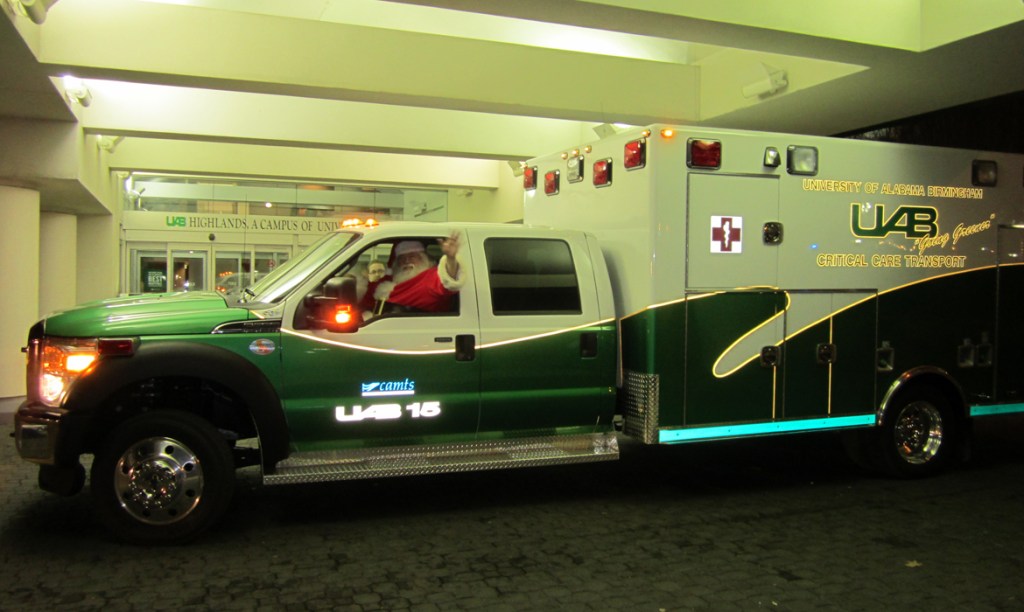

- CCT completed its first transport in March 1983, moving quadruplets from UAB Hospital to Brookwood Medical Center.
- Transports completed to 46 states and 38 countries
- CCT has transported over 875 patients who needed an intra-aortic balloon pump and a ventricular assist device.
- Had the first civilian aircraft in the country with a liquid oxygen system (the oxygen canisters had serial numbers 1 and 2)
- Has been featured on The Learning Channel, the National Geographic Channel, Discovery Channel, CNN, and MSNBC
- CCT team members starred in the film “Johnny Flinton”, which won an Oscar in 2003 for Best Short Films.
- Provided the medical team for President Bush’s visit to Birmingham in 2001
- Has performed up to 77 defibrillations on one transport (the patient survived!)
- Evacuated 21 patients during hurricanes Katrina and Rita in 2005 and provided staff, supplies, equipment, and ambulances for the National Disaster Management System
- Transported eight babies simultaneously out of New Orleans in the jet during Hurricane Gustav in 2008
- The CCT jet was the only civilian aircraft allowed back in the air on Sept. 11, 2001, bringing a patient to UAB Hospital from Monroe, La.
- Has the first Cessna Citation Bravo jet in the world with a “clamshell door” installed
- Was the first U.S. aircraft to fly a new route over Cuban airspace to evacuate a victim of the earthquake in Haiti in January 2010. This saved 30 critical minutes of flight time, and the new medevac flight path was followed by many air ambulances afterward.
- A gondola was used in Venice, Italy as part of “ground transportation”.
Standing CCT records:
- First nurse to transport 2,000 patients: John Doriety, RN (January 2016); he also was the first nurse to transport 3,000 patients (December 2020).
- Most transports in one day: 23 (Sheryl Pettis, transport coordinator)
- Most intra-aortic balloon pump transports in one day: 3
PUBLICATIONS
Demmons, L., Contributor, “Repatriation”; Kissner, K., Wamack, G., (2023) ASTNA Advanced Trauma for the Transport Professional, 8th Edition, Aurora, CO, p. 253-259.
Demmons, L., “Vehicle Specifications and Fleet Maintenance”, Treadwell, D., Santiago, J., (2019) ASTNA Standards for Critical Care and Specialty Transport, 2nd Edition, Aurora, CO, p. 102-106.
Demmons, L., Minton, R., Taylor, G., “Transporting the Deceased: Partnering with the Organ Recovery Center to Improve Transplant Outcomes”, Air Medical Journal, Nov-December 2018, 37:6, p. 374-379.
Demmons, L., “Infectious and Communicable Diseases”; Clark, D., Treadwell, D., et al (2017), ASTNA Critical Care Transport Core Curriculum, Air and Surface Transport Nurses Association, Aurora, CO, p. 423-434.
Demmons, L., James, S., (2010) ASTNA Standards for Critical Care and Specialty Ground Transport, 2nd Edition, Air and Surface Transport Nurses Association, Centennial, CO, Cottrell Printing Company.
Demmons, L., “Twenty-five Years Later: Critical Care Transport”, Air Medical Journal, Nov – Dec 2008, Vol. 27, No. 6, p. 276-280.
Air and Surface Transport Nurses Association: Demmons, L, Stevens, L, High, K, Lin, J., “Transport Nurse Safety in the Transport Environment, Position Paper”, Sept 2006.
Demmons, L., “Chasing Ambulance Safety”, Air Medical Journal, May-June, 2005.
Gruszecki, A., Kahler, D., Smith, D., Vines, J., Lancaster, L., et al, “Utilization, Reliability and Clinical Impact of Point-of-care Testing during Critical Care Transport: Six Years of Experience”, Clinical Chemistry, Vol. 49, No. 6, 2003.
Commission on Accreditation of Medical Transport Systems Best Practices, Volume II, 2001; Volume III, 2004; most cited program in Volume IV, 2007; Volume V, 2012; Volume VI, 2017, Seventh Edition, 2020.
Randolph, V., Kahler, D., Howard, C., Hortin, G., “Laboratories on the Move: Blood Gas Analysis”, Laboratory Medicine, Vol. 31, No. 1, 2000.
Brunson M., Lancaster L., “Transport of Critically Ill Patients: How to Avoid Pitfalls”, Clinical Pulmonary Review, Vol. 6, No. 4, July 1999.
Demmons, L., Cook,E., “Anxiety in Adult Fixed-Wing Air Transport Patients”, Air Medical Journal, July – September 1997.
Critical Care Transport began in March of 1983 out of a need to provide transportation for critically-ill persons who required transportation to the University of Alabama Hospital and other large medical facilities. The University of Alabama Critical Care Transport service was the first civilian aircraft in the country to use a liquid oxygen system with interchangeable liquid oxygen canisters, serial numbers 1 and 2. The first international trip by CCT was to Canada. The first intra-aortic balloon pump transport was in 1985 and since then we have transported over 700 IABP patients. Since 1983, in the U.S., we have transported to and from 48 states, over 60,000 patients, and traveled over 27 million miles.
Worldwide transport service is available through Critical Care Transport. International transports are equipped and staffed as domestic transports
Some advance notice is required for international transports due to overnight requirements. Due to the length of some of the transports, an overnight stay may be required. All arrangements for the overnight stay, as well as all other components of the trip, will be arranged by the transport service.
Because international transports are usually not covered by insurance, financial arrangements must be secured prior to US departure.
UAB Critical Care Transport
1717 11th Avenue South, Suite 401
Birmingham, AL 35205
(205) 934-3865

Public Notification
Resources
Clinical Trials
Speak to your physician about your options and browse the link below for more information



Latest News
View All News-
Novel, experimental treatment for emphysema may offer promising results for patients looking to breathe easier
February 6, 2026
-
Lung cancer screens can lead to better outcomes, UAB expert explains why
December 15, 2025
-
UAB to evaluate the impact of neighborhood revitalization on residents’ lung health
December 11, 2025
-
Etomidate proves more effective for sedative use in patient intubations
December 10, 2025
-
A fresh, multidimensional diagnosis for COPD identifies at-risk patients previously missed
August 11, 2025