
In vitro fertilization (IVF) involves harvesting eggs, inseminating them with sperm, and transferring the resulting embryo(s) into the woman’s uterus to achieve pregnancy. Women undergoing IVF receive daily injections of follicle-stimulating hormone (FSH), which causes the ovaries to develop additional follicles. Patients may also receive medications to prevent ovulation too soon, before the eggs can be retrieved.
Patients are carefully monitored, and medications are adjusted as needed to help prevent serious side effects. When the follicles have grown to the appropriate size, patients receive a medication injection to trigger final maturation of the eggs. At this point, the patient is scheduled for transvaginal, ultrasound-guided egg retrieval under conscious sedation anesthesia. This is an outpatient procedure that uses a small needle and causes minor discomfort.
The retrieved eggs and the sperm are then prepared for insemination, and the sperm is introduced into culture dishes containing the eggs. In some cases, a single sperm is injected into each egg. The fertilized eggs are put into incubators for 5-7 days until the embryology team determines that they are mature. Once the embryos mature, they can be transferred to the patient’s uterus or preserved for future use. Procedures such as assisted hatching or pre-implantation genetic testing (PGT) may be performed prior to embryo transfer. Embryos are transferred directly into the uterus using a small tube called a catheter.
Why choose UAB Medicine
UAB Medicine’s nationally recognized physicians have years of experience in diagnosing and treating both male and female infertility. Our team approach includes a urologist, a reproductive endocrinologist, specialized nurses, and laboratory scientists.
A variety of conventional treatments are available, including corrective microsurgery. For those who do not have a condition that can be treated, procedures like IVF or intrauterine insemination may be used to help a woman get pregnant. Our fertility experts will determine a treatment plan that is best suited for each individual. As a major center for research, UAB Medicine continues to study new fertility treatments that may increase the chances of conceiving a healthy baby.
Care Providers
 Ricardo Azziz, MD
Reproductive Endocrinology and Infertility, Gynecology, Endocrinology
Ricardo Azziz, MD
Reproductive Endocrinology and Infertility, Gynecology, Endocrinology
 Richard Burney, MD, MSc
Reproductive Endocrinology and Infertility
Richard Burney, MD, MSc
Reproductive Endocrinology and Infertility
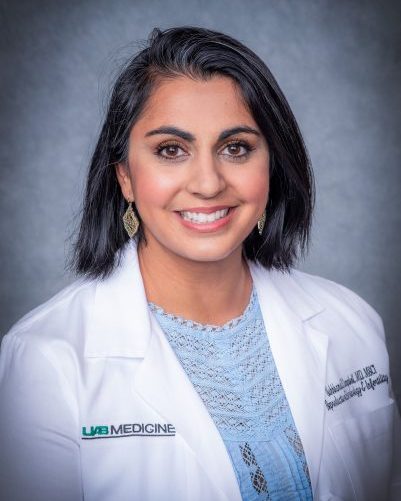 Sukhkamal Campbell, MD
Reproductive Endocrinology and Infertility
Sukhkamal Campbell, MD
Reproductive Endocrinology and Infertility
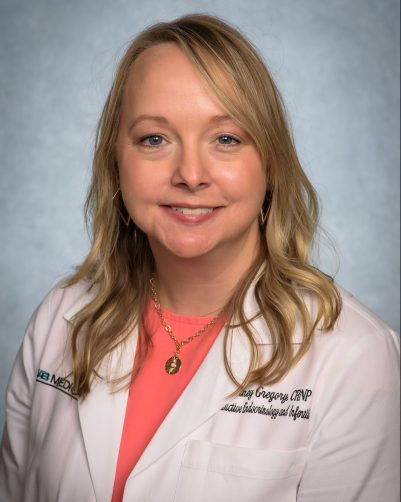 Courtney Gregory, CRNP
Reproductive Endocrinology and Infertility
Courtney Gregory, CRNP
Reproductive Endocrinology and Infertility
 Peter Kolettis, MD
Urology
Peter Kolettis, MD
Urology
Videos



Resources
Related Specialties
- Amniocentesis
- Cesarean Section
- Fetal Neck Masses
- High-Risk Pregnancy
- Infertility
- Male Infertility
- Maternal and Fetal Medicine
- Multiple Births
- OBGYN Services
- Preeclampsia
- Pregnancy
- Pregnancy and Heart Disease
- Prematurity
- Reproductive Endocrinology & Infertility Services
- Transplant Services
- Vasectomy Reversal
- Women & Infants Services
Clinical Trials
Speak to your physician about your options and browse the link below for more information


Latest News
View All News-
UAB clinical trial explores new approach to treat ovarian cancer
September 21, 2026
-
What to know about incontinence in women, according to UAB experts
July 1, 2026
-
Researchers awarded $8M grant to study long-term impact of Type 2 diabetes treatment for pregnant patients and their children
June 25, 2026
-
Women’s health misconceptions addressed by a UAB OB/GYN
June 16, 2026
-
Magnesium sulfate does not improve neurodevelopmental outcomes in very early preterm births, according to new UAB analysis
April 23, 2026