
Uterine fibroids are noncancerous (benign) tumors in the uterus that often appear during a woman’s childbearing years. They develop from the smooth muscle tissue of the uterus (womb) and occur when a single cell divides over and over, eventually creating a firm, rubbery mass. They may grow slowly or quickly or remain the same size. They often shrink or disappear after pregnancy, when the uterus goes back to a normal size, and they tend go away after menopause.
Uterine fibroids range in size from tiny to bulky masses that can enlarge the uterus. In rare cases, they can cause pain and abnormal bleeding. There are three different types of fibroids, defined by where they grow in the uterus.
Why choose UAB Medicine
At UAB Medicine, care for women with symptoms from uterine fibroids is provided through a collaboration between UAB Obstetrics and Gynecology and UAB lnterventional Radiology. This helps ensure that patients have access to the full range of treatment options, using the latest technology and therapies. UAB Medicine is an academic medical center that conducts clinical research trials, so patients may have access to promising new treatments not available elsewhere.
UAB Obstetrics and Gynecology offers complete women’s health care in a private, personal environment, with physicians and nurses dedicated to delivering excellent care. Our physicians are nationally recognized specialists in their fields, so you can rest assured that you are receiving the most advanced care available.
The UAB lnterventional Radiology (IR) team includes nationally and internationally recognized IR physicians, supported by physician assistants. Each of the IR physicians at UAB Medicine is highly skilled, fellowship-trained, and board-certified by the American Board of Radiology.
Care Providers
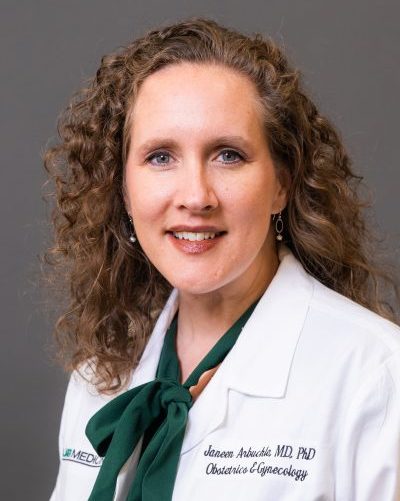 Janeen Arbuckle, MD, PhD
Obstetrics and Gynecology, Pediatric and Adolescent Gynecology
Janeen Arbuckle, MD, PhD
Obstetrics and Gynecology, Pediatric and Adolescent Gynecology
 Rebecca Arend, MD
Gynecologic Oncology, Obstetrics and Gynecology
Rebecca Arend, MD
Gynecologic Oncology, Obstetrics and Gynecology
 Ricardo Azziz, MD
Endocrinology, Gynecology, Reproductive Endocrinology and Infertility
Ricardo Azziz, MD
Endocrinology, Gynecology, Reproductive Endocrinology and Infertility
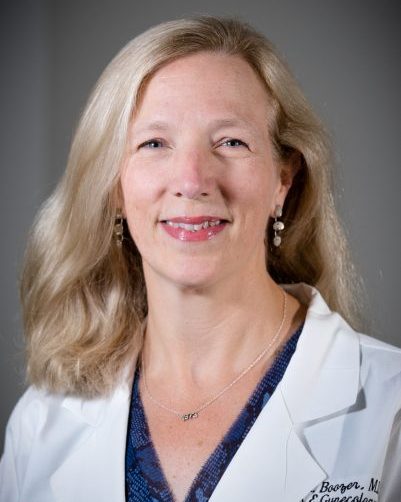 Margaret Boozer, MD
Obstetrics and Gynecology
Margaret Boozer, MD
Obstetrics and Gynecology
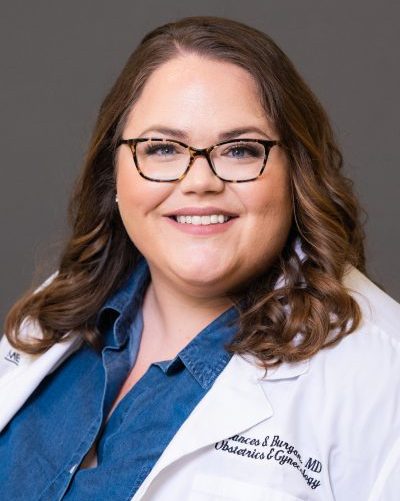 Fran Burgan, MD
Obstetrics and Gynecology
Fran Burgan, MD
Obstetrics and Gynecology
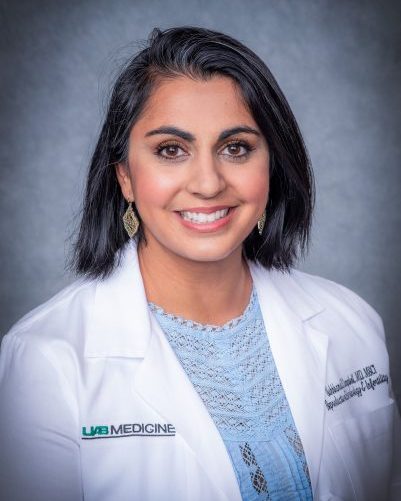 Sukhkamal Campbell, MD
Reproductive Endocrinology and Infertility
Sukhkamal Campbell, MD
Reproductive Endocrinology and Infertility
 Theresa Caridi, MD
Interventional Radiology
Theresa Caridi, MD
Interventional Radiology
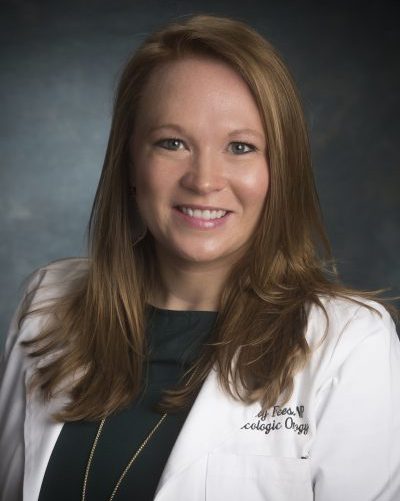 Bethany Fees, CRNP
Gynecologic Oncology
Brian Gleason, MD
Gynecology
Bethany Fees, CRNP
Gynecologic Oncology
Brian Gleason, MD
Gynecology
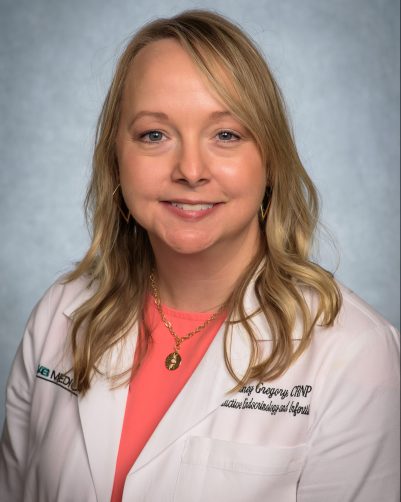 Courtney Gregory, CRNP
Reproductive Endocrinology and Infertility
Courtney Gregory, CRNP
Reproductive Endocrinology and Infertility
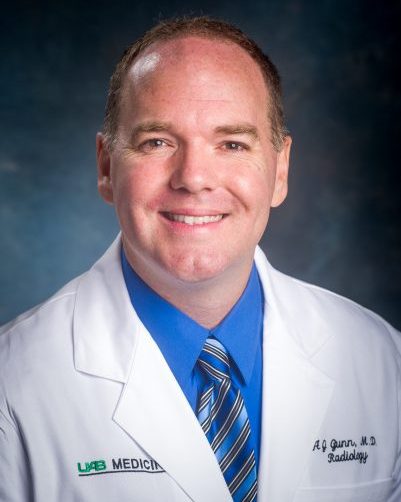 AJ Gunn, MD
Interventional Radiology
AJ Gunn, MD
Interventional Radiology
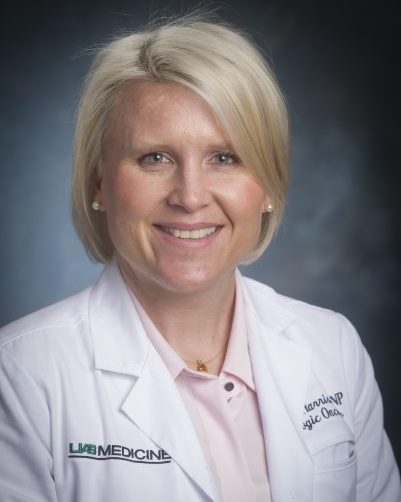 Samantha Harris, CRNP
Gynecologic Oncology
Samantha Harris, CRNP
Gynecologic Oncology
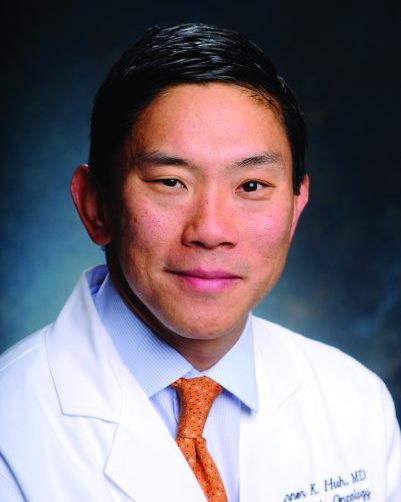 Warner Huh, MD, FACOG, FACS
Gynecologic Oncology, Obstetrics and Gynecology
Warner Huh, MD, FACOG, FACS
Gynecologic Oncology, Obstetrics and Gynecology
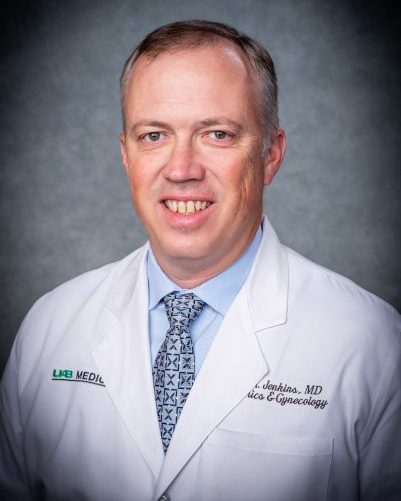 Todd Jenkins, MD
Gynecology
Todd Jenkins, MD
Gynecology
 Peter Kolettis, MD
Urology
Peter Kolettis, MD
Urology
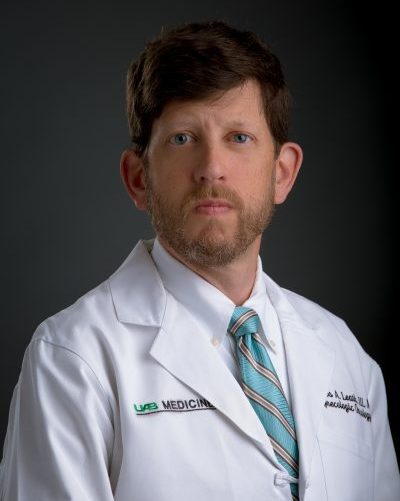 Trey Leath, III, MD
Gynecologic Medical Oncology, Gynecologic Oncology, Obstetrics and Gynecology
Trey Leath, III, MD
Gynecologic Medical Oncology, Gynecologic Oncology, Obstetrics and Gynecology
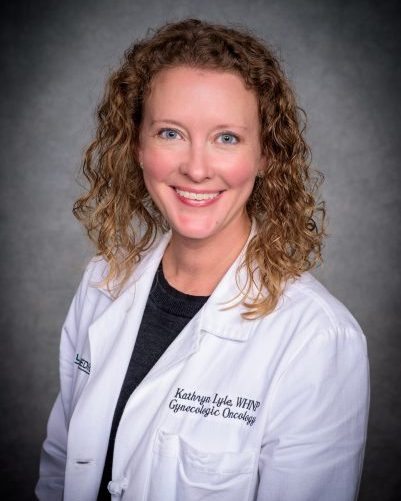 Kathryn Lyle, CRNP
Gynecologic Oncology
Kathryn Lyle, CRNP
Gynecologic Oncology
 Rachel Oser, MD
Interventional Radiology
Rachel Oser, MD
Interventional Radiology
 Shweta Patel, MD
Obstetrics and Gynecology
Shweta Patel, MD
Obstetrics and Gynecology
 Haller Smith, MD
Gynecologic Oncology, Obstetrics and Gynecology
Haller Smith, MD
Gynecologic Oncology, Obstetrics and Gynecology
Videos
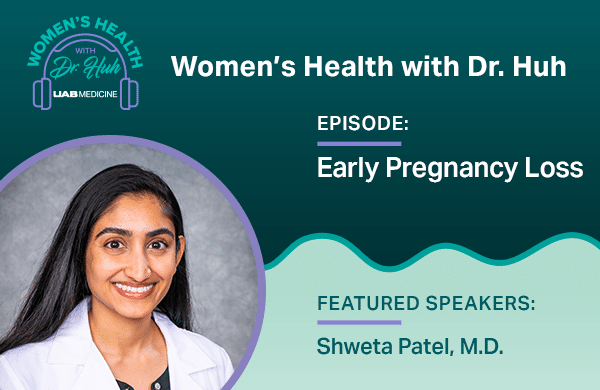 Women’s Health with Dr. Huh: Early Pregnancy LossDr. Huh is joined by Shweta Patel, M.D., an obstetrician, to share little-known facts about early pregnancy loss that can help patients understand this emotional experience.ListenClose
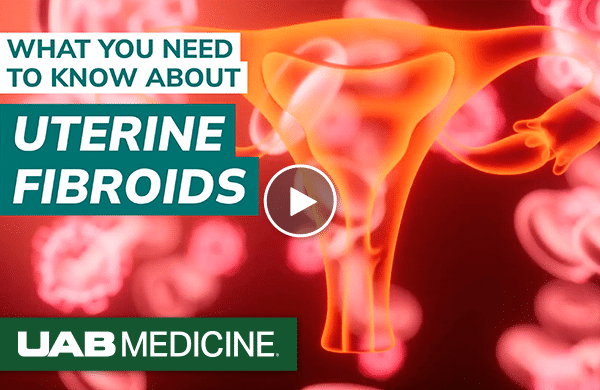 What you need to know about uterine fibroidsLearn key facts on what you need to know about uterine fibroids.WatchClose
 Close
Close The Role of a Rehabilitation Psychologist on an Interdisciplinary Rehab TeamListenCME/CE0.25Minutes13Close

Resources
- UAB Department of Obstetrics & Gynecology
- UAB Department of Radiology
- Uterine Fibroids Fact Sheet
- National Institutes of Health – Uterine Fibroids
Related Specialties
- Amniocentesis
Cesarean Section
Cystectomy
Cystoscopy
Hysterectomy
Hysteroscopic Myomectomy
Hysteroscopic Sterilization
Laparoscopic Sterilization
OBGYN Services
Pap Smear
Pregnancy and Heart Disease
Robotic Hysterectomy
Suction dilation and curettage (D&C)
Supracervical Hysterectomy
Uterine Fibroid Embolization
Women & Infants Services
Clinical Trials
Speak to your physician about your options and browse the link below for more information


Latest News
View All News-
New data release offers unprecedented look at early childhood brain development
March 12, 2026
-
UAB and McMaster University name 2025 Joint Pilot Grant awardees
February 19, 2026
-
Here is how UAB is advancing cervical cancer awareness in Alabama
January 15, 2026
-
Rock your stockings: Preventing varicose veins in pregnancy
December 4, 2025
-
Clinical trial explores new guidelines for treating hypertension disorder of pregnancy
October 28, 2025