
Polycystic ovarian syndrome (PCOS) occurs when a woman has increased levels of androgens (male hormones), often associated with the appearance of small cysts on the ovaries. Women with PCOS may have difficulty getting pregnant, experience changes to their menstrual cycles, and see increased hair growth, acne, and weight gain. If left untreated, polycystic ovarian syndrome can lead to more serious health conditions, including heart disease and diabetes.
PCOS can often be managed with medications and lifestyle changes to help regulate hormones and improve symptoms.
The cause is unknown, but genetics is thought to play a role. Girls as young as 11 years old may get PCOS, but it primarily affects women of childbearing age.
Why choose UAB Medicine
UAB Obstetrics and Gynecology offers complete women’s health care, delivered by physicians and nurses dedicated to excellence. Our physicians are nationally recognized specialists in their fields, so you can rest assured that you are receiving the most advanced care available. Our program is consistently ranked among the best of its kind in the country by U.S. News & World Report.
As part of the UAB Division of Women’s Reproductive Healthcare, UAB Obstetrics and Gynecology’s services range from complete obstetric care to the medical and surgical treatment of complex gynecological concerns. Because UAB Medicine is a major center for research, patients may have access to promising new techniques and treatments not available at other medical centers. Our physicians are here for you at every stage of life, from your first gynecological exam to delivering your baby and helping guide you through menopause.
UAB Medicine’s Division of Reproductive Endocrinology & Infertility (REI) is led by nationally recognized physicians who have years of experience diagnosing and treating both male and female infertility. We take a team approach to treating infertility, including expertise from a reproductive endocrinologist, urologist, genetic counselors, specialized nurses, and laboratory scientists.
We offer a variety of conventional fertility treatments, including corrective microsurgery. When treatment does not restore fertility, we may perform other procedures to help couples get pregnant, such as intrauterine insemination or in vitro fertilization (IVF). Our fertility experts will determine the best treatment plan for each patient’s needs.
As a major center for research, UAB Medicine continues to investigate new advances in fertility treatment aimed at increasing the chances of conceiving healthy babies.
Care Providers
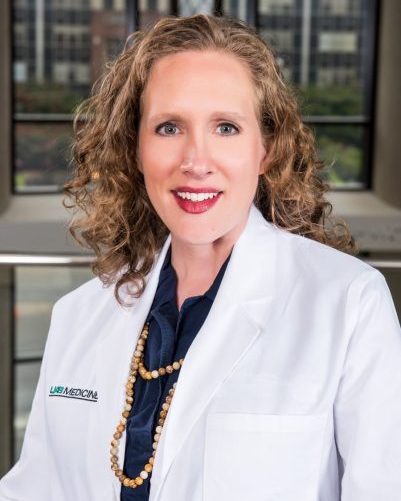 Janeen Arbuckle, MD, PhD
Obstetrics and Gynecology, Pediatric and Adolescent Gynecology
Janeen Arbuckle, MD, PhD
Obstetrics and Gynecology, Pediatric and Adolescent Gynecology
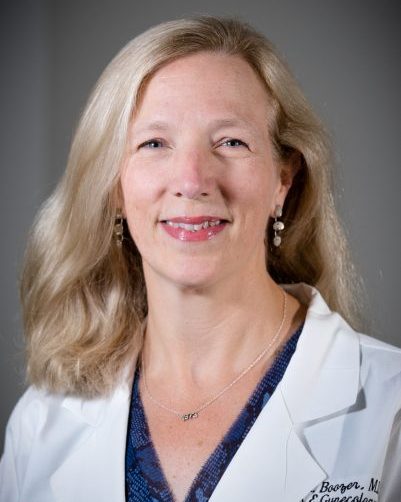 Margaret Boozer, MD
Obstetrics and Gynecology
Margaret Boozer, MD
Obstetrics and Gynecology
 Brian Gleason, MD
Gynecology
Brian Gleason, MD
Gynecology
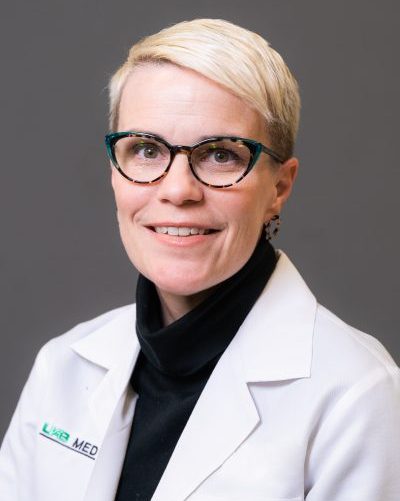 Kim Hoover, MD
Obstetrics and Gynecology
Kim Hoover, MD
Obstetrics and Gynecology
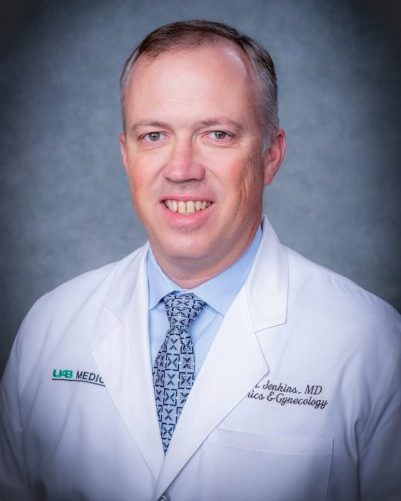 Todd Jenkins, MD
Gynecology
Todd Jenkins, MD
Gynecology
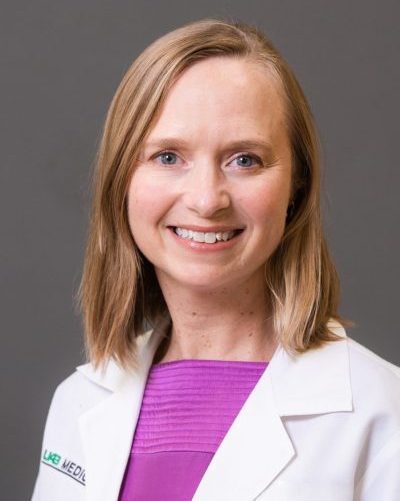 Chere' Stewart, MD
Obstetrics and Gynecology
Chere' Stewart, MD
Obstetrics and Gynecology
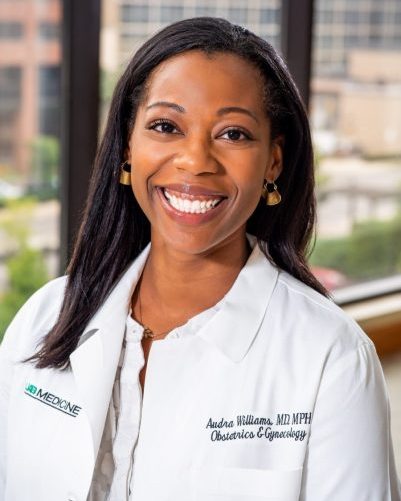 Audra Williams, MD
Obstetrics and Gynecology
Audra Williams, MD
Obstetrics and Gynecology
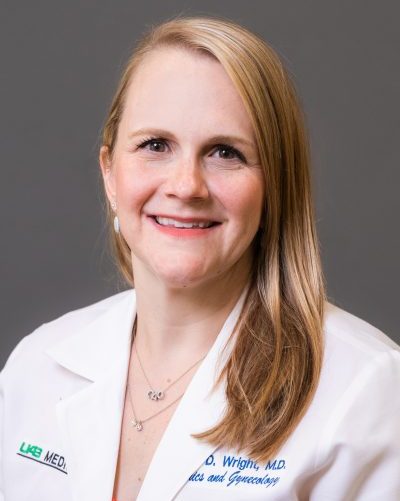 Ashley Wright, MD
Obstetrics and Gynecology
Ashley Wright, MD
Obstetrics and Gynecology
Resources
Related Specialties
Clinical Trials
Speak to your physician about your options and browse the link below for more information


Latest News
View All News-
UAB reports Blue Ridge results, marked by departmental progress
April 2, 2026
-
New data release offers unprecedented look at early childhood brain development
March 12, 2026
-
UAB and McMaster University name 2025 Joint Pilot Grant awardees
February 19, 2026
-
Here is how UAB is advancing cervical cancer awareness in Alabama
January 15, 2026
-
Rock your stockings: Preventing varicose veins in pregnancy
December 4, 2025