
Heavy menstrual bleeding, known as menorrhagia, is the most common type of abnormal bleeding from the uterus (womb). A heavy period is defined as enough blood to soak a pad or tampon every hour for several consecutive hours. It also may involve passing large blood clots during periods or needing to get up at night to change pads or tampons.
Heavy menstrual bleeding can interfere with daily activities and sleep, and the blood loss can lead to tiredness and shortness of breath. It may be caused by a hormone imbalance, uterine fibroids, pelvic inflammatory disease, a miscarriage, or other medical conditions involving the kidney, liver, or thyroid.
Why choose UAB Medicine
UAB Obstetrics and Gynecology offers complete health care for women, provided by physicians and nurses who are dedicated to delivering compassionate, high-quality care. Our physicians are nationally recognized specialists in their fields, so you can rest assured that you are receiving the most advanced care available.
As part of the UAB Division of Women’s Reproductive Healthcare, our program provides services ranging from complete obstetric care to the medical and surgical treatment of complex gynecological problems. UAB Medicine is an academic medical center that conducts clinical research trials, so patients may have access to promising new treatments not available elsewhere. Our physicians are always here for you, from your first routine gynecologic exam and delivering your baby to helping guide you through menopause.
Care Providers
 Janeen Arbuckle, MD, PhD
Obstetrics and Gynecology, Pediatric and Adolescent Gynecology
 Margaret Boozer, MD
Obstetrics and Gynecology
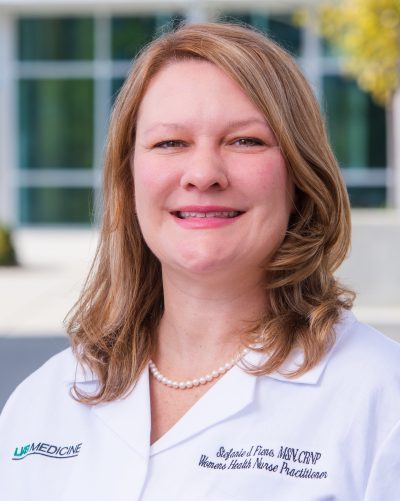 Stefanie Fieno, CRNP
Obstetrics and Gynecology
 Brian Gleason, MD
Gynecology
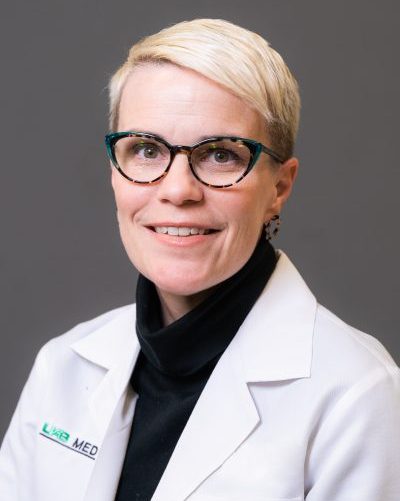 Kim Hoover, MD
Obstetrics and Gynecology
 Shweta Patel, MD
Obstetrics and Gynecology
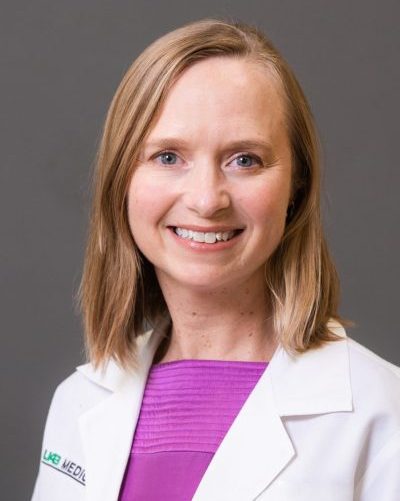 Chere' Stewart, MD
Obstetrics and Gynecology
 Audra Williams, MD
Obstetrics and Gynecology
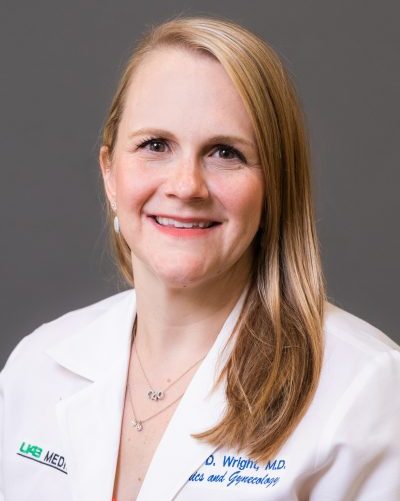 Ashley Wright, MD
Obstetrics and Gynecology
Videos
 Expanding the Donor Pool: The Rise of DCD Heart Transplantation and Advances in Organ PreservationListenCME/CE0.25Minutes26Close
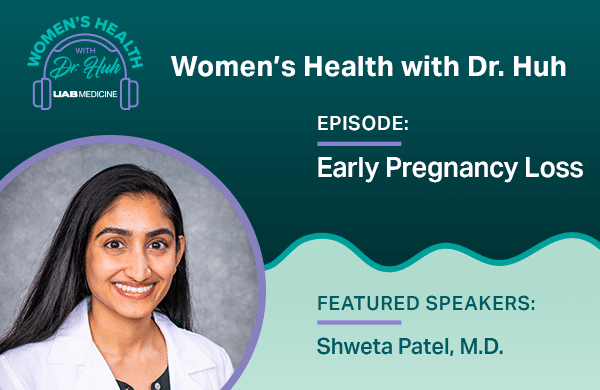 Women’s Health with Dr. Huh: Early Pregnancy LossDr. Huh is joined by Shweta Patel, M.D., an obstetrician, to share little-known facts about early pregnancy loss that can help patients understand this emotional experience.ListenClose
 Close
 The Role of a Rehabilitation Psychologist on an Interdisciplinary Rehab TeamListenCME/CE0.25Minutes13Close

Resources
Related Specialties
Clinical Trials
Speak to your physician about your options and browse the link below for more information



Latest News
View All News-
UAB Medicine names Huh and DeMoss to system leadership roles
October 19, 2026
-
UAB and global partners awarded landmark NIH grant to combat a leading cause of maternal mortality
October 15, 2026
-
What should I include in my birth plan?
October 6, 2026
-
UAB clinical trial explores new approach to treat ovarian cancer
September 21, 2026
-
What to know about incontinence in women, according to UAB experts
July 1, 2026