UAB Medicine Fertility Services
UAB Medicine’s nationally recognized physicians have years of experience in diagnosing and treating both male and female infertility. We treat infertility with a team approach that includes a urologist, a reproductive endocrinologist, specialized nurses, and laboratory scientists. A variety of conventional treatments are available, including corrective microsurgery. For those who do not have a condition that can be treated, procedures such as intrauterine insemination or in vitro fertilization (IVF) may be used to help a couple get pregnant.
Our fertility experts will determine a treatment plan that is best suited for each individual and their partner. As a major center for research, UAB Medicine continues to investigate new advances in fertility treatment aimed at increasing the chances of conceiving healthy babies.

What is Infertility?
Infertility is the inability to become pregnant. It can have many causes, both physical and emotional, and can occur because of problems in the woman, man, or both. It is grouped into two categories: primary infertility, which refers to couples who have not become pregnant after at least one year of unprotected intercourse; and secondary infertility, which refers to couples who have been pregnant at least once but are not able to get pregnant now.
Common Terms
How We Treat Infertility
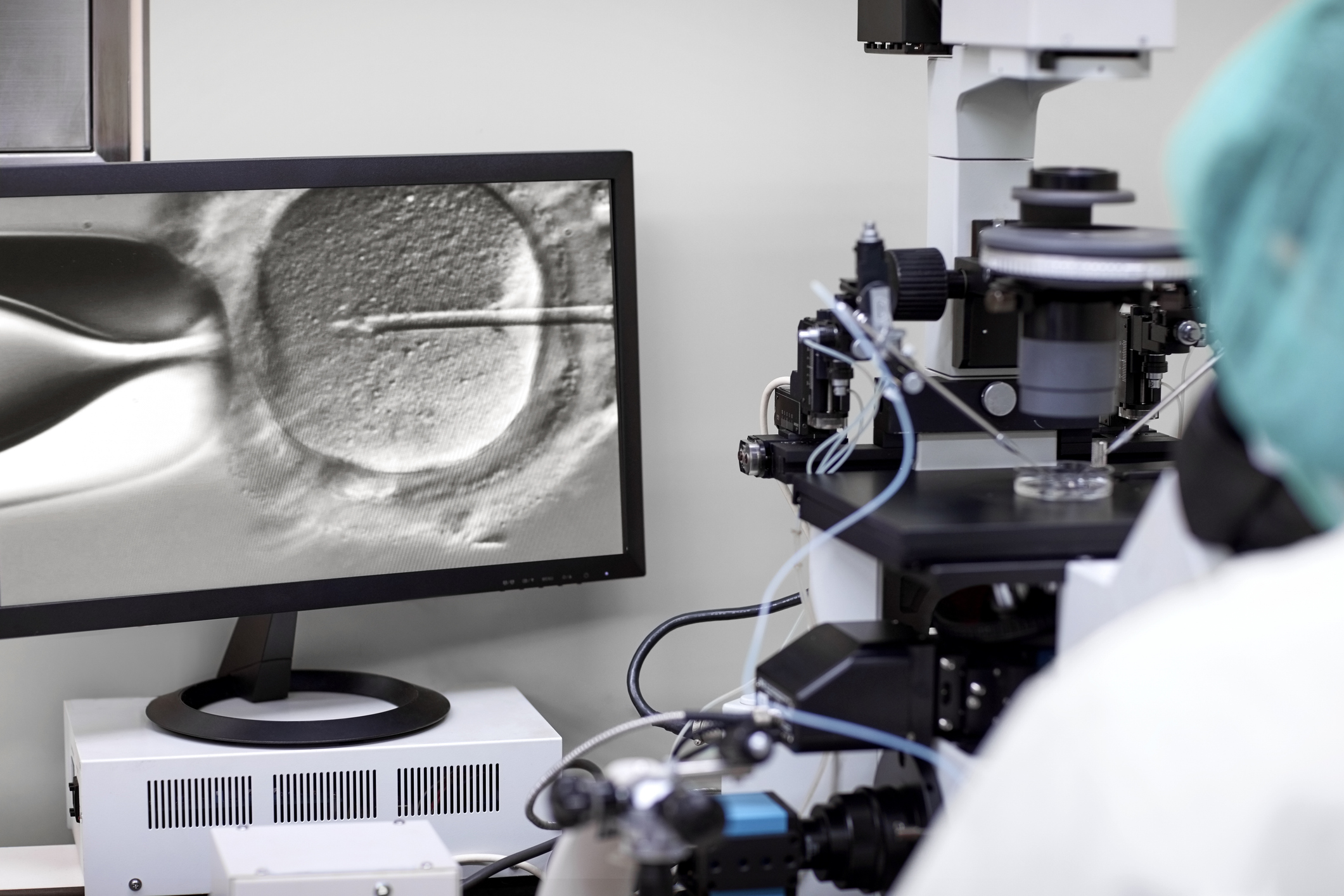
UAB Medicine’s nationally recognized physicians have years of experience in diagnosing and treating both male and female infertility. A variety of conventional treatments are available, including corrective microsurgery. For those who do not have a condition that can be treated, procedures such as intrauterine insemination or in vitro fertilization (IVF) may be used to help a couple get pregnant. Our fertility experts will determine a treatment plan that is best suited for each individual and their partner. As a major center for research, UAB Medicine continues to investigate new advances in fertility treatment aimed at increasing the chances of conceiving healthy babies.
You Are Not Alone
Many women who deal with infertility also experience feelings of guilt or loneliness. For that reason, we are always happy to refer patients counseling, fertility support groups, and/or fertility coaches to help with this aspect of infertility and encourages stress-reduction options such as exercise. It’s okay to feel the burden and load of infertility. Most importantly, if you are walking this road, you need to know you’re not alone.
Videos
 Meet the Team: Sukhkamal CampbellA reproductive endocrinologist, Dr. Campbell specializes in fertility preservation for cancer patients, helping them focus on both their physical and mental health.WatchClose
 Mallory’s story: first baby born from UAB Medicine’s uterus transplant programIn May 2023, Mallory became the first patient to give birth via a uterus transplant outside of a clinical trial, and her son was the first baby born from UAB Medicine’s uterus transplant program.WatchClose
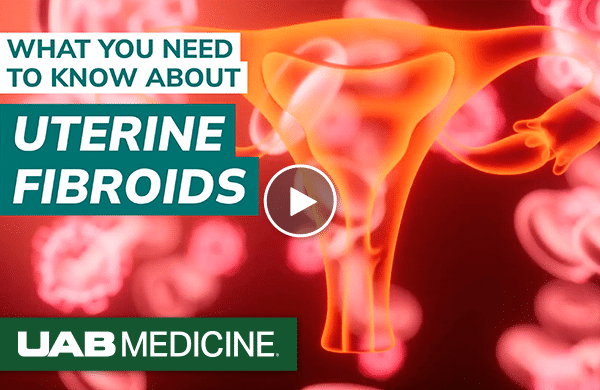 What you need to know about uterine fibroidsLearn key facts on what you need to know about uterine fibroids.WatchClose
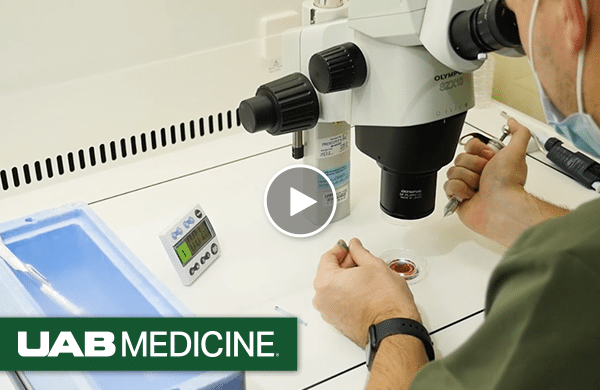 Inside UAB Medicine’s In Vitro Fertilization LabIn this video, we tour the in vitro fertilization (IVF) lab at the UAB Women and Infants Center.WatchClose
 Women’s Health with Dr. Huh: Endometriosis-Associated InfertilityCME/CE0.00Richard Burney, M.D., discusses the causes and progression of endometriosis; methods of diagnosis and treatment; and the related concern of infertility.ListenClose
 Women’s Health with Dr. Huh: Early Pregnancy LossDr. Huh is joined by Shweta Patel, M.D., an obstetrician, to share little-known facts about early pregnancy loss that can help patients understand this emotional experience.ListenClose
 Women’s Health with Dr. Huh: Fertility Preservation – What You Need to KnowIn this panel discussion, Dr. Arbuckle and Dr. Sukhkamal Campbell discuss oncofertility.ListenClose

Meet Our Care Team
UAB Medicine’s nationally recognized physicians have years of experience in diagnosing and treating both male and female infertility. We treat infertility with a team approach that includes a urologist, a reproductive endocrinologist, specialized nurses, and laboratory scientists.
Our team provides care at two convenient locations – UAB Women & Infants Center and UAB Medicine Hoover Primary & Specialty Care.
Care Providers
 Ricardo Azziz, MD
UAB Women & Infants Center
Endocrinology, Gynecology, Reproductive Endocrinology and Infertility
Ricardo Azziz, MD
UAB Women & Infants Center
Endocrinology, Gynecology, Reproductive Endocrinology and Infertility
 Richard Owen Burney
UAB Women & Infants Center, Hoover Specialty Care
Reproductive Endocrinology and Infertility
Richard Owen Burney
UAB Women & Infants Center, Hoover Specialty Care
Reproductive Endocrinology and Infertility
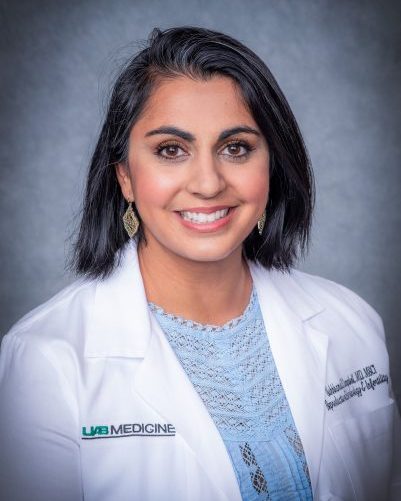 Sukhkamal Campbell, MD
UAB Women & Infants Center
Reproductive Endocrinology and Infertility
Sukhkamal Campbell, MD
UAB Women & Infants Center
Reproductive Endocrinology and Infertility
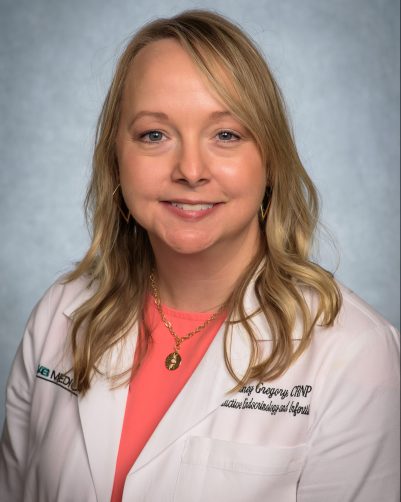 Courtney Gregory, CRNP
UAB Women & Infants Center, Hoover Specialty Care
Reproductive Endocrinology and Infertility
Courtney Gregory, CRNP
UAB Women & Infants Center, Hoover Specialty Care
Reproductive Endocrinology and Infertility
 Caitlin Hutchins, PA-C
UAB Women & Infants Center
Obstetrics and Gynecology, Reproductive Endocrinology and Infertility
Caitlin Hutchins, PA-C
UAB Women & Infants Center
Obstetrics and Gynecology, Reproductive Endocrinology and Infertility
 Peter Kolettis, MD
Hoover Specialty Care, The Kirklin Clinic of UAB Hospital
Urology
Peter Kolettis, MD
Hoover Specialty Care, The Kirklin Clinic of UAB Hospital
Urology

What to Expect During Your Consultation
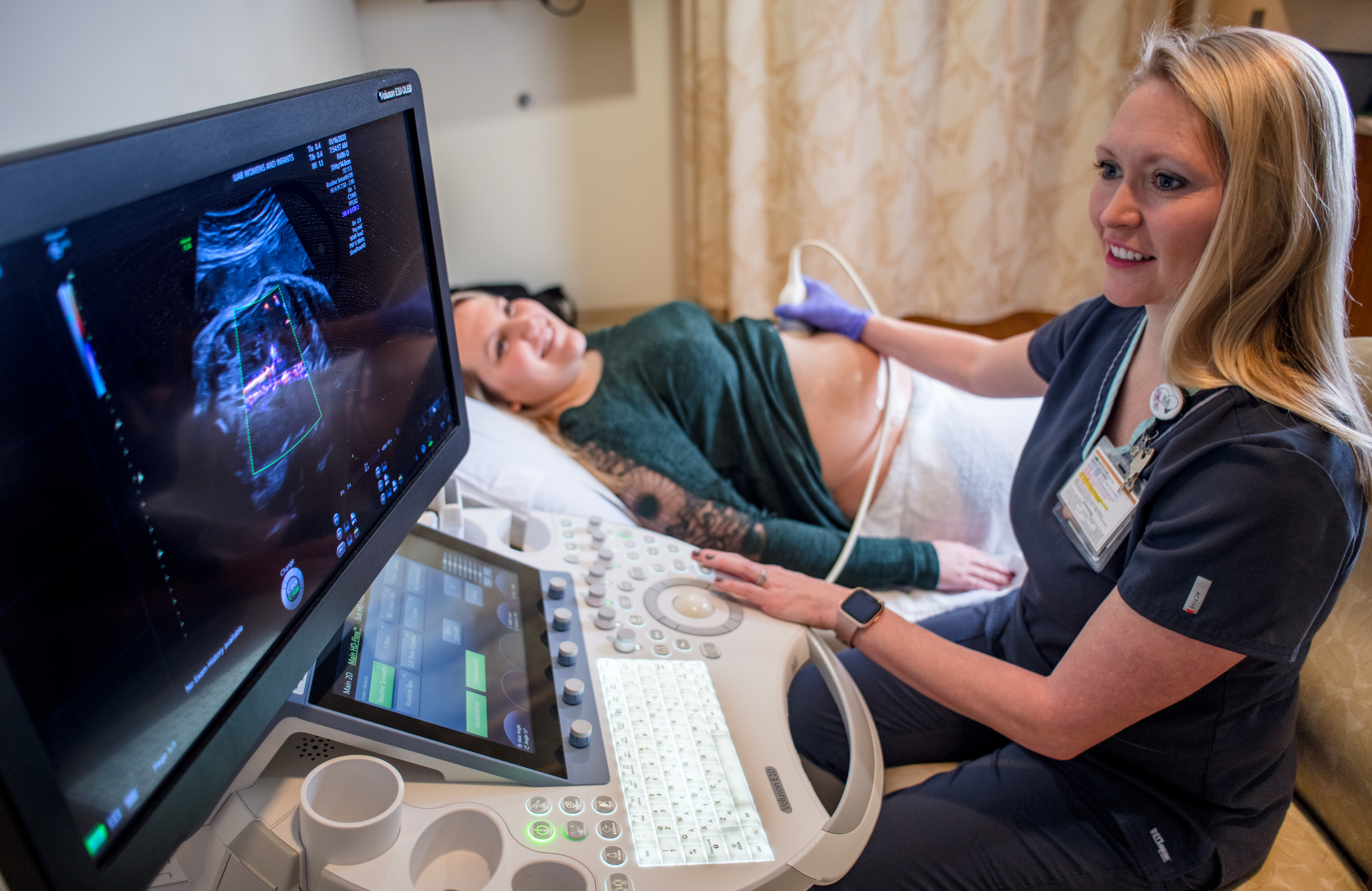
The first step is making the appointment to see a fertility specialist and completing a thorough history with that physician. At your first visit we will discuss fertility goals as well as obtain a complete patient history. We will discuss topics such as menstrual history, prior pregnancies, prior fertility therapies, prior surgeries, and medication history. Based on this initial visit and patient goals, the next step will likely be imaging (ultrasound or hysterosalpingogram), lab work to assess fertility hormones (thyroid function, ovarian reserve testing), and discussion of sperm source (potential semen analysis for patients with male partners or discussing donor sperm sources).
We choose treatments tailored to the patient’s specific source of infertility. We usually start with more conservative therapies, such as oral agents to induce ovulation (clomiphene citrate or letrozole). Sometimes this is paired with timed intercourse, and sometimes it’s paired with intrauterine inseminations. Additional therapies we offer include the use of donor gametes, gestational carriers, and in vitro fertilization with the options for genetic testing of embryos (PGT-A and/or PGT-M).
Clinical Trials
Speak to your physician about your options and browse the link below for more information
Featured Highlights
View All News