
Mechanical Circulatory Support Device (MCSD) is a device used to treat end-stage chronic heart failure. It offers improved survival and overall quality of life for patients who have exhausted medical management or those who develop sudden, acute heart failure accompanied by cardiogenic shock. MCSDs are sophisticated pumps that take over the pumping function of the left or right ventricle of the heart to keep the patient alive. The heart pumps are also called VADs, for ventricular assist devices. The devices, depending on the type and purpose, are implanted either in the cardiac catheterization lab or the operating room. A MCSD can serve as a bridge to a heart transplant or can be a permanent treatment (destination therapy). If a patient recovers heart function adequately, the VAD can be removed.
There is no cure for heart failure, but by working with the cardiac experts at UAB, you can get better. The UAB Advanced Heart Failure Program is staffed by a multidisciplinary team of advanced heart failure cardiologists, who are among the nation’s leaders in this specialty.
The cardiologists are supported by a team of Magnet-certified nurses and other medical and surgical doctors on our faculty. They use the latest evidence-based treatments to provide you with an improved survival rate and quality of life. We also conduct clinical trials that often provide medications and treatment devices not available at most other centers.
We work directly with each heart failure patient to develop a personalized treatment plan. Medical and surgical options may be offered. Surgical options include a mechanical circulatory support device such as a VAD (ventricular assist device) as well as heart transplantation and heart-and-lung transplantation. You will also receive counseling on your diet and exercise, which play an important role in managing your heart failure.
Another option for patients is the UAB Cardiopulmonary Rehabilitation Program, which provides a structured exercise regimen for patients with heart problems.
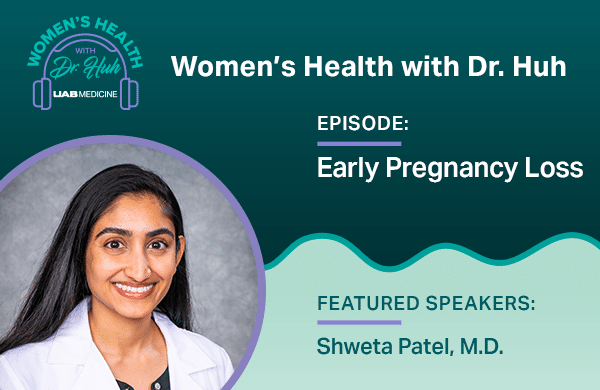 Women’s Health with Dr. Huh: Early Pregnancy LossDr. Huh is joined by Shweta Patel, M.D., an obstetrician, to share little-known facts about early pregnancy loss that can help patients understand this emotional experience.ListenClose
 Close
Close The Role of a Rehabilitation Psychologist on an Interdisciplinary Rehab TeamListenCME/CE0.25Minutes13Close

Resources
- Heart Pump Therapy – For Patients
- UAB Cardiovascular Surgery Patient Guide
- UAB Division of Cardiothoracic Surgery
- UAB Division of Cardiovascular Disease
- American Heart Association
Related Specialties
Clinical Trials
Speak to your physician about your options and browse the link below for more information


Latest News
View All News-
Cardio-oncology: Protecting the heart during cancer care
March 17, 2026
-
From the expert: The link between daylight saving time and heart attacks
March 3, 2026
-
International study shows mavacamten monotherapy improves heart function in patients with HCM, a common inherited heart disease
February 16, 2026
-
Women’s heart health: Here is what you should know
February 5, 2026
-
New procedure at UAB offers minimally invasive option for patients at high risk for open heart surgery
January 6, 2026