
Hysteroscopic myomectomy is an outpatient procedure used to remove abnormal tissue growths called fibroids from the uterus (womb). It involves two steps. First, a doctor identifies the location of uterine fibroids using a hysteroscope, a type of telescope especially designed to view the inside of the uterus. Then, the uterine fibroids are removed with special tools attached to the end of the hysteroscope. It may take more than one procedure to remove all of the fibroid tissue.
The procedure does not require any incisions (cuts), and no hospital stay is needed. On average, it takes just 30-60 minutes. It is performed under local anesthesia with intravenous (IV) sedation or with general anesthesia. Prior to surgery, patients may be given a prescription for misoprostol, a medication that softens the cervix and allows easier access.
Most patients can drive and return to work the next day. In most cases, over-the-counter anti-inflammatory medication is all that’s needed (not narcotics), and it’s usually required for a few days only. Mild vaginal bleeding for several days is common but usually stops on its own. Patients with increasing pain or fever should contact their doctor.
Why choose UAB Medicine
UAB Obstetrics and Gynecology offers complete women’s health care, delivered by physicians and nurses dedicated to excellence. Our doctors are nationally recognized specialists in their fields, so you can rest assured that you are receiving the most advanced care available. Our program is consistently ranked among the best of its kind in the country by U.S. News & World Report.
As part of the UAB Division of Women’s Reproductive Healthcare, UAB Obstetrics and Gynecology provides services ranging from complete obstetric care to the medical and surgical treatment of complex gynecological concerns. Because UAB Medicine is a major center for research, patients may have access to promising new techniques and treatments not available at other medical centers. Our physicians are here for you at every stage of life – from your first gynecological exam and delivering your baby to helping guide you through menopause.
When needed, our program works closely with UAB Division of Reproductive Endocrinology & Infertility (REI), which is staffed by nationally recognized physicians with years of experience in diagnosing and treating all types of infertility. We use a team approach that includes a reproductive endocrinologist, a urologist, genetic counselors, specialized nurses, and laboratory scientists.
A range of fertility treatments are available, including a type of surgery known as corrective microsurgery. For conditions that cannot be treated, procedures such as intrauterine insemination or in vitro fertilization (IVF) may be used to help a woman become pregnant. Our fertility experts will determine a treatment plan that is best suited for each individual patient.
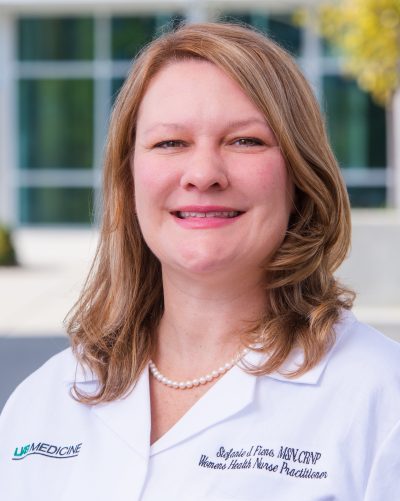
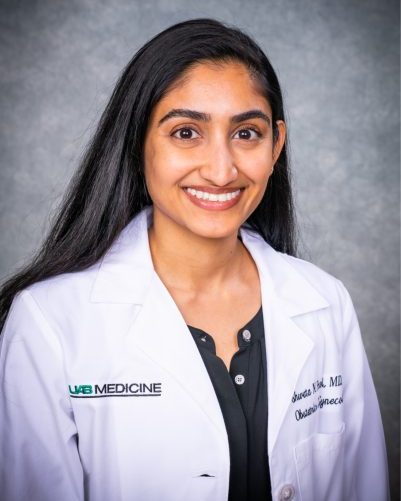
Care Providers
Videos
 Expanding the Donor Pool: The Rise of DCD Heart Transplantation and Advances in Organ PreservationListenCME/CE0.25Minutes26Close
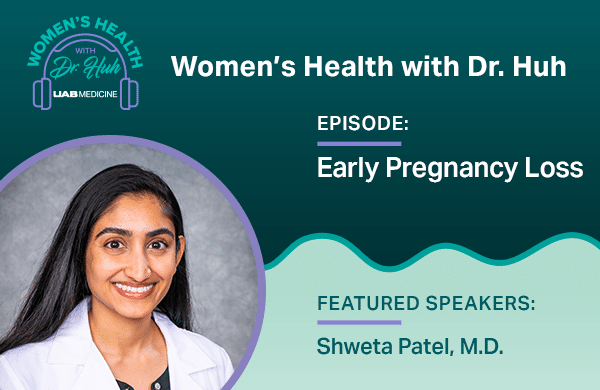 Women’s Health with Dr. Huh: Early Pregnancy LossDr. Huh is joined by Shweta Patel, M.D., an obstetrician, to share little-known facts about early pregnancy loss that can help patients understand this emotional experience.ListenClose
 Close
Close The Role of a Rehabilitation Psychologist on an Interdisciplinary Rehab TeamListenCME/CE0.25Minutes13Close
Resources
Related Specialties
Clinical Trials
Speak to your physician about your options and browse the link below for more information



Latest News
View All News-
UAB Medicine names Huh and DeMoss to system leadership roles
October 19, 2026
-
UAB and global partners awarded landmark NIH grant to combat a leading cause of maternal mortality
October 15, 2026
-
What should I include in my birth plan?
October 6, 2026
-
UAB clinical trial explores new approach to treat ovarian cancer
September 21, 2026
-
What to know about incontinence in women, according to UAB experts
July 1, 2026