DAISY winner: Kathryn Glick, RN
Congratulations to the most recent winner, Kathryn Glick, RN. Below, a colleague explains what makes Kathryn worthy of a DAISY Award.
Fatigue, unexplained weight changes, and mood swings. These common complaints can have many causes, but one often-overlooked culprit is the thyroid. This small, butterfly-shaped gland in the lower front of the neck produces hormones that influence every cell, tissue and organ in the body, controlling metabolism, heart rate and how quickly the body processes everything from food to sugar.
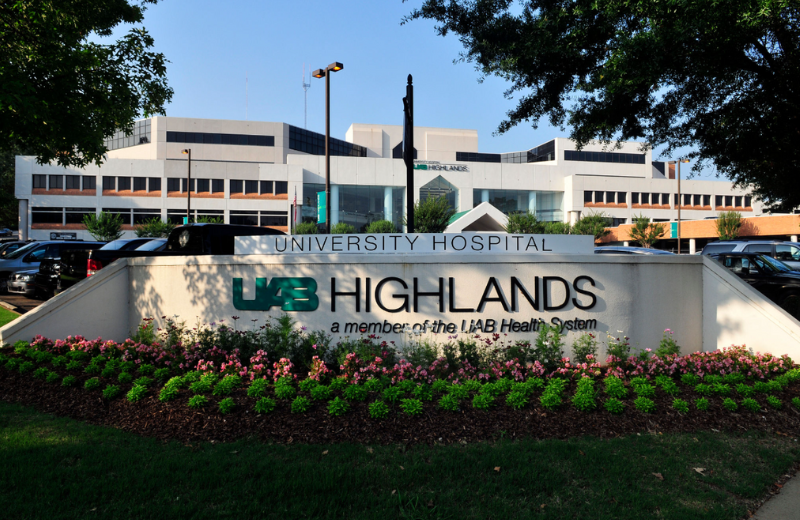
Becker’s Hospital Review included UAB Hospital on its 2025 list of “Great Hospitals in America. This annual report recognizes institutions that deliver exceptional clinical care, prioritize patient safety, and drive innovation through research, education, and continual improvement.
In a milestone for UAB Medicine, transplant surgeons have performed the institution’s first robotic kidney transplant surgery, marking a major step toward expanding minimally invasive options for transplant recipients.
Robert Johnson, senior director of Respiratory Services at UAB Medicine, has been inducted into the American Association for Respiratory Care (AARC) Fellowship Program. This national honor recognizes Johnson for his contributions to the science of respiratory care and for exemplifying the highest standards in the field.
UAB Medicine is ringing in the new year with a full-service urology clinic at UAB St. Vincent’s East that opened on Jan. 12. UAB Urology East offers patients the latest treatments and the same level of personalized care they can expect throughout UAB Medicine.
Terri Poe, DNP, has been named the inaugural chief nursing executive for UAB Health System.
Cynthia Jones, 93, knew something was wrong when she began experiencing shortness of breath. As a relatively active person, she was confused on why basic activities such as lying down to sleep or holding a conversation had become uncomfortable. She decided to seek help.
Expertise provided by Dr. Michael Johnson, Orthopaedic Foot and Ankle Surgeon, UAB Medicine. Disclaimer: This expertise is shared based on a typical injury and not intended to diagnose or provide an outlook on George Kittle’s situation.
Even in Alabama, ice, snow, sleet, frost, and extreme cold can cause significant issues. The best time to prepare for an emergency situation is before weather becomes extreme. UAB Emergency Management shared these lists to help guide you with suggestions for supplies and ways to prepare.
What exactly is a shoulder dislocation, and how does it affect return to play? Our sports medicine expert breaks down symptoms, diagnosis, recovery, and timelines athletes may face.
As temperatures drop, our ears become more sensitive to cold, leading to discomfort, earaches, and temporary hearing changes.
“Sudden temperature shifts create pressure changes in the environment, which the ear works to balance through the Eustachian tube—a tunnel connecting the middle ear to the back of the nose,” explained Stefania Goncalves, M.D., assistant professor in the UAB Department of Otolaryngology. “When these pressure changes occur too quickly, the Eustachian tube struggles to adjust, causing temporary sensations of ear fullness, pressure, pain, clogged ears, or even brief hearing changes.”
By using this site you agree to our Privacy Policy.