News

 Transplanting Organs From Hep C+ Donors Decreases Wait Times
January 13, 2021

Transplanting Organs From Hep C+ Donors Decreases Wait Times

Four years ago, 28-year-old Ana Kenney was told that she would either spend the rest of her life on dialysis or have to wait up to 10 years for a kidney transplant.

Read More

 DAISY Winners – Mary Feeling, RN & Kendra Prince, RN
December 30, 2020

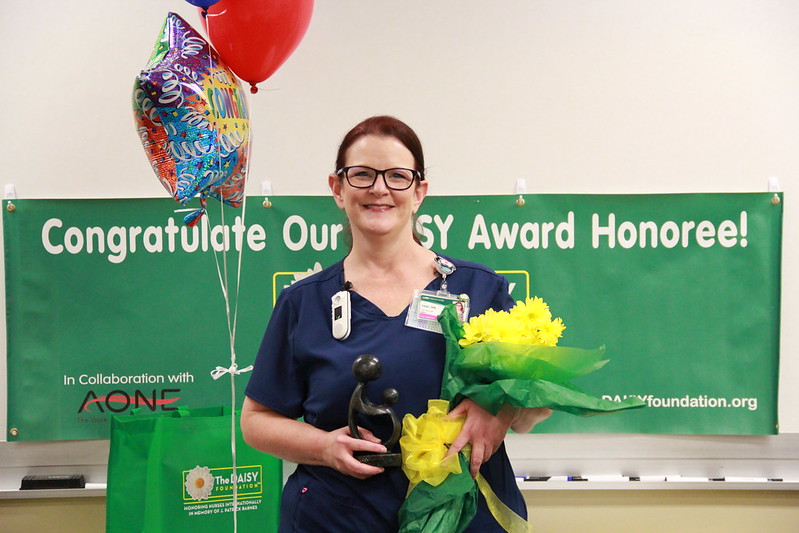
DAISY Winners – Mary Feeling, RN & Kendra Prince, RN

We are pleased to announce this month’s UAB Medicine DAISY Award, recognizing the extraordinary care and compassion that nurses provide for patients and families every day. Submissions and stories are reviewed each month, and then the winner is surprised at a special ceremony. Click here to nominate a UAB Medicine nurse for the DAISY Award.

Read More

 Heart, double-lung transplant gives UAB student new perspective
December 17, 2020

Heart, double-lung transplant gives UAB student new perspective

Cooper Pierce was 13 years old when doctors diagnosed him with pulmonary hypertension. After undergoing a heart and double-lung transplant at UAB Hospital, he is now a student at the University of Alabama at Birmingham and hopes his story can inspire others.

Read More

 UAB establishes uterus transplant program

UAB establishes uterus transplant program

The University of Alabama at Birmingham and UAB Medicine have established the first uterus transplant program in the Southeast and the fourth such program in the United States.

Read More

 How does washing hands protect us from spreading COVID-19?
December 16, 2020

How does washing hands protect us from spreading COVID-19?

Infections occur mainly through exposure to respiratory droplets produced when an infected person coughs, sneezes, or talks near someone who doesn’t have COVID-19. While it is not common for COVID-19 to spread from surfaces, these respiratory droplets can land on high-touch surfaces and spread. Other viruses, such as influenza, also can spread in this way. Washing our hands helps prevent viruses (and bacteria) from causing infections.

Read More

 How well do face shields work for COVID 19?

How well do face shields work for COVID 19?

There is evidence that wearing a face shield (with a mask) helps protect wearers from respiratory droplets that could come in contact with the eyes. However, there have been no complete studies comparing mask use alone to face shields alone, so it is not recommended to use a face shield as the only protection against COVID-19.

Read More

 Is it safe to come in contact/spend time with someone who has quarantined the suggested 14 days after testing positive for COVID-19?

Is it safe to come in contact/spend time with someone who has quarantined the suggested 14 days after testing positive for COVID-19?

Based on guidance from the Centers for Disease Control & Prevention (CDC), those diagnosed with COVID-19 are no longer considered infectious if they no longer have fever, if their symptoms have improved, and if they’ve remained in quarantine for at least 10 days. If you have been exposed to COVID-19 and have quarantined for at least 14 days without any symptoms, it is safe for you to be around others. Even after quarantine, it is still important to continue wearing a mask, maintain social distancing, and wash your hands to prevent repeat infection and further quarantining.

Read More

 Is it safe to travel within the United States during COVID-19?

Is it safe to travel within the United States during COVID-19?

Currently, the United States is seeing high levels of community spread of COVID-19, so travel – especially air travel – should be limited. If you are planning to travel, ensure that the place you are staying has policies and procedures in place to help prevent the spread of COVID-19, and you should eat outside or get takeout food whenever possible. Also, do not travel if you are sick.

Read More

 Is it safe to visit an establishment 10 days after it was temporarily closed due to COVID-19?

Is it safe to visit an establishment 10 days after it was temporarily closed due to COVID-19?

If establishments follow the guidance set forth for standard air conditioning and ensure that surfaces are cleaned correctly, it is ok to visit after cleaning.

Read More

 Is it true that COVID-19 is a blood-clotting disease and should be treated with antibiotics?

Is it true that COVID-19 is a blood-clotting disease and should be treated with antibiotics?

No. COVID-19 is caused by a virus (SARS-CoV-2), though some patients with severe infections can develop blood clots. It is thought that the clotting in patients occurs when antibodies that humans produce circulate in the blood, triggering clots in our blood vessels. When this clotting occurs, it is treated with blood thinners. Antibiotics are used for bacterial infections (such as strep throat).

Read More

 What is the recommended quarantine period after testing positive for COVID-19? When can you resume normal life?

What is the recommended quarantine period after testing positive for COVID-19? When can you resume normal life?

If you have been diagnosed with COVID-19, you are no longer considered infectious once your fever has stopped even after you are no longer using fever-reducing medications (such as Tylenol), your symptoms have improved, and it has been at least 10 days since your symptoms began. For people who are immunocompromised, it is recommended that you remain in quarantine for 20 days.

Read More

 COVID-19 Vaccinations
December 15, 2020

COVID-19 Vaccinations

Thank you for your interest in receiving a COVID-19 vaccine. Learn more about the vaccine, safety, and other important information below including answers to the most common questions.

Read More

  • Filter by Category

By using this site you agree to our Privacy Policy.

Accept