
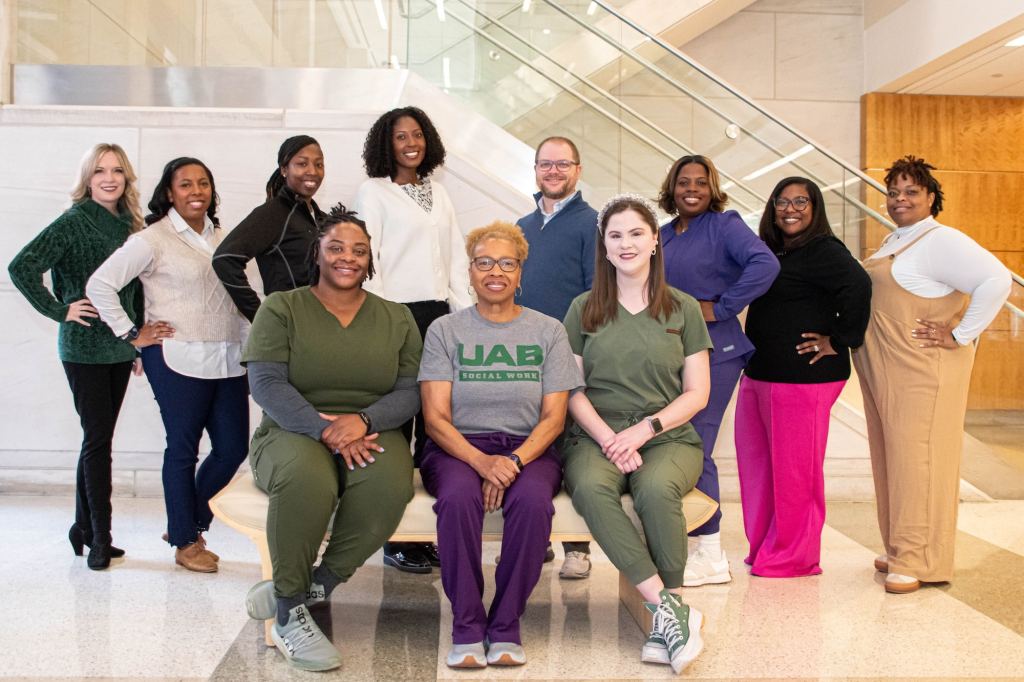
This National Social Work Month, social workers from across UAB have a message for the community: medical social workers are an integral part of the health system.
Social workers can be found in nearly every medical unit at UAB: from trauma to transplantation, from psychiatry to oncology. They help patients and their families at every step of their hospital journey: from initial assessments to care transitions to discharge planning. A medical social worker’s key functions are assessments, resource connection, counseling and therapy, advocacy, crisis intervention, and program development. They provide resources for medication affordability, consultations for short-term and long-term disability needs, assessments for psychosocial needs or barriers, transportation and lodging coordination, referrals for home health and hospice, education on insurance resources, and more.
Kathy Gaddis, MSW, LICSW, PIP, the director of social work and mental health at the UAB 1917 Outpatient Clinic, says social workers are the often-invisible backbone to the health system. “We want to shine a light on the positive impact that medical social workers have on patient recovery and support across the entire UAB Health System,” said Gaddis. “There are a lot of misconceptions about what social workers do, and we want to clear that up.”
Gaddis is a member of the UAB Social Work Partnership (SWP). The SWP launched in 2024, is an initiative “to grow and support a strong network of social workers that can enhance the health and well-being of the communities that UAB currently serves.” The SWP also aims to integrate the study and practice of social work to inform future social work research and curriculum.
Below, learn seven surprising facts about social workers in the medical field and meet eleven real social workers from across UAB who are helping patients every day.
1. Medical social work dates back to the late 1890s.
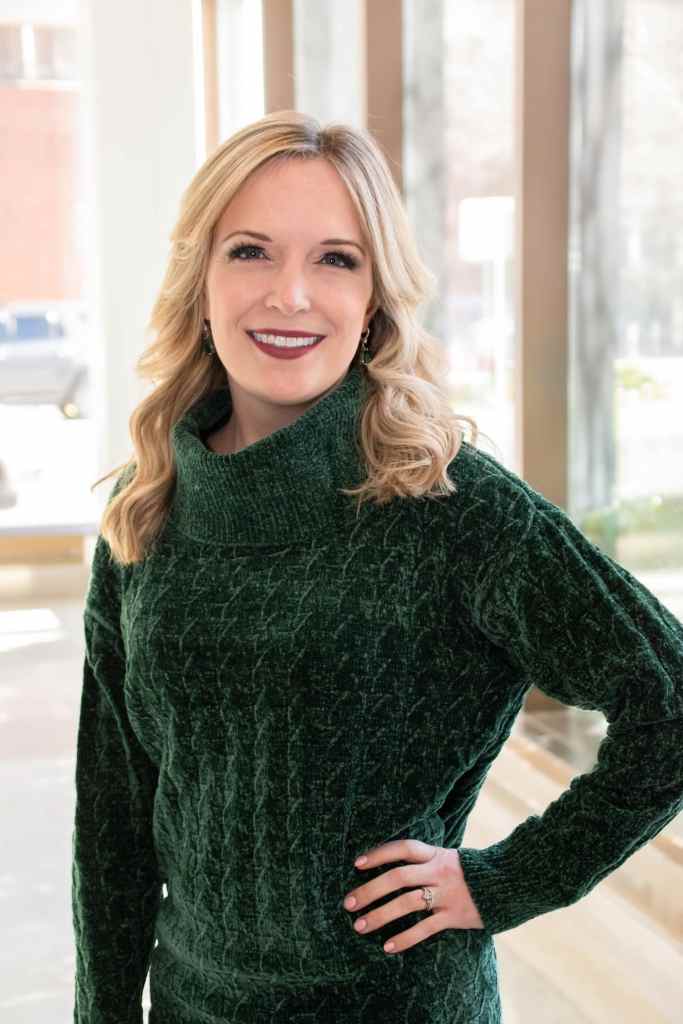
The field of social work grew alongside hospitals in the early 20th century to help patients navigate complex health and social systems. According to one creator of FDR’s New Deal, Harry Hopkins, “the fields of social work and public health are inseparable.”
In the Progressive Era in the United States, the social work profession helped to meet the pressing health issues of the time related to poverty, overcrowding, and poor work conditions. For example, early social workers advocating for better medical care for mothers and infants in an attempt to reduce infant mortality.
Catherine Gardner, LICSW-S, PIP, is a medical social worker with the UAB Women and Infants Center. She says she was inspired to join the field of social work by her mom, a social worker who “taught me so much about compassion, integrity, and the ability to keep going in the face of adversity.”
Gardner’s interest in medicine also came from her family story.
“Our mom went through five years of infertility and spent countless hours at the fertility clinic before my twin brother and I were born,” Gardner said. “My interest in pregnancy and childbirth has been there since the beginning. I am so grateful to now work with our clients at the Women and Infants Center.”
2. Medical social workers often provide crisis intervention.
Social workers fill a specific gap in the health care system by helping patients and families cope with sudden illnesses, trauma, or terminal diagnoses through counseling, support, and recommendations of community resources.
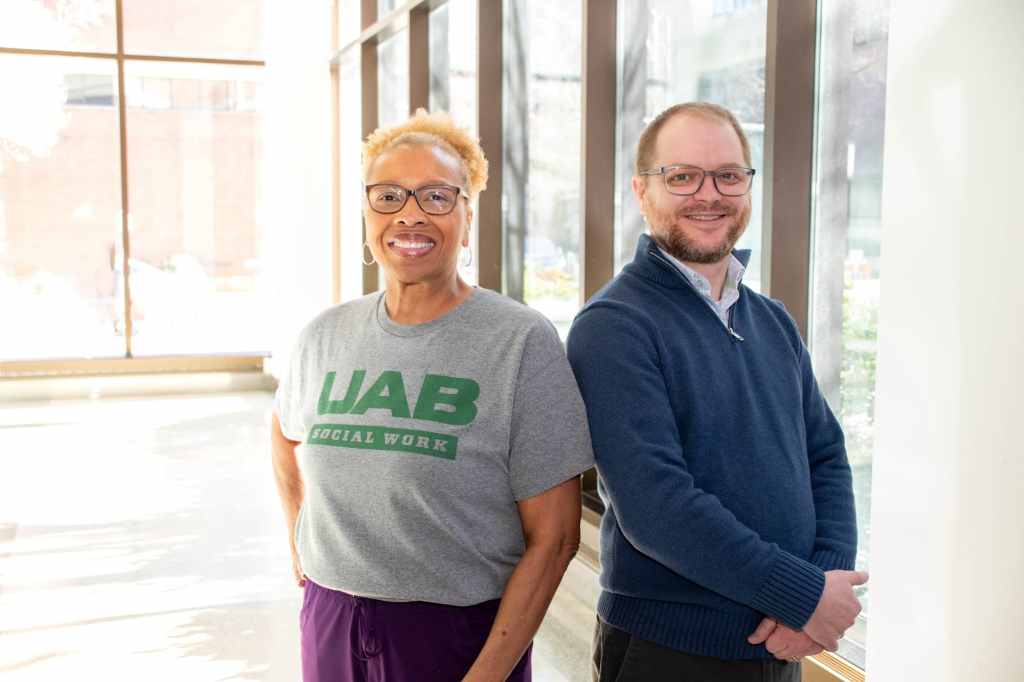
Mark Smith, LMSW, and Julia Ward, LMSW, are both adolescent and young adult social workers for the Institute for Cancer Outcomes and Survivorship at UAB. They work with oncology patients between the ages of 15 and 39, both inpatient and outpatient, at UAB and Children’s of Alabama. They assist patients with emotional stress, academic or work challenges, insurance and financial concerns, fertility preservation, and adjusting to life during and after their cancer treatments.
As Smith explains, health is much more complicated than a diagnosis and treatment plan.
“We must consider the ecosystem the patient inhabits,” Smith said. “In order for our patients to be truly healthy, we must address their material needs, provide mental, spiritual, and emotional care, and promote healthy relationships.”
Ward says she met a social worker who gave her a better understanding of the job and the impact to meet people’s needs and advocate for them across systems. She was inspired enough to get her Master of Social Work, intentionally pursuing a career in medical social work because of personal experiences of breast cancer in her family.
“Witnessing firsthand the emotional, physical, and psychosocial toll of a cancer diagnosis on both patients and their loved ones deeply impacted me,” Ward said. “These experiences solidified my desire to support individuals and families navigating some of the most vulnerable moments of their lives.”
3. Medical social workers play a vital role on interdisciplinary healthcare teams.
While linking patients to community resources is part of their work, medical social workers also do more complex tasks like conducting bio-psychosocial assessments, facilitating communication between medical providers and families, and implementing strategies to address social determinants of health (like housing , transportation, and food security). Licensed independent clinical social workers (LICSW) hold a master’s degree and are licensed to provide counseling services for mental, behavioral, and emotional concerns. According to the National Institute of Health, social work is one of five core mental health professions in the country.
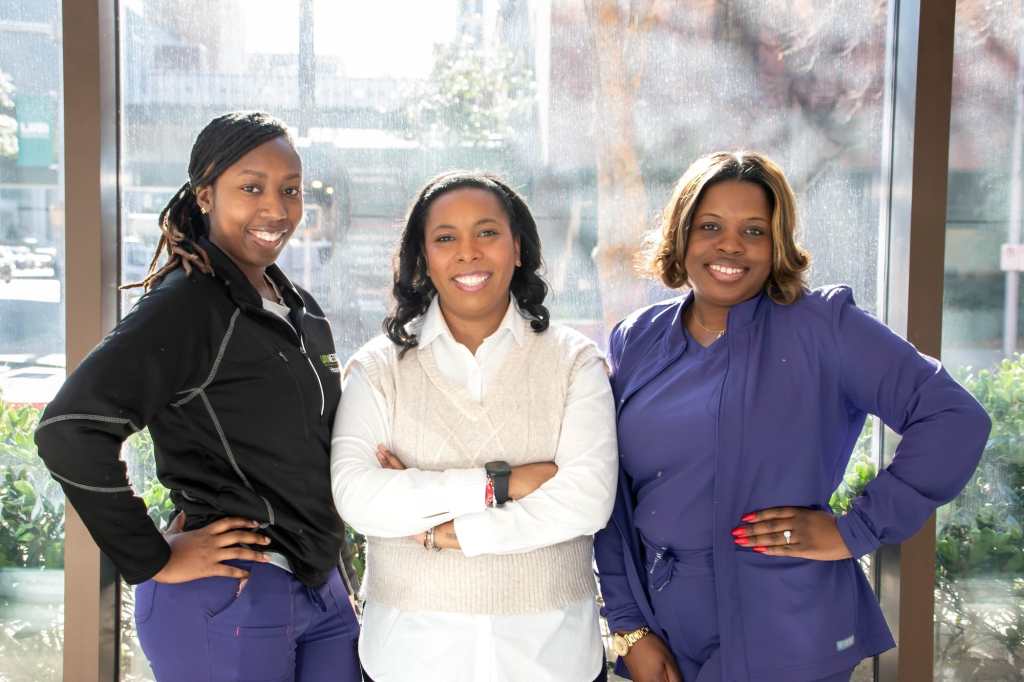
Ashley Malone-Moore, LBSW, MSW, works in care transitions, helping patients with complex conditions discharge safely from the hospital. She says social workers serve as a bridge between patients and the care team.
“Social workers are here to advocate for you and empower you to be the best you can be,” she said “We help ensure your voice is heard and your needs are met.”
Joi Moore, LICSW, a medical social worker with ambulatory care transitions, says that social workers have the same dedication to their patients as any other member of the multidisciplinary care team.
“To be a good social worker, it is essential to truly care about the well-being of others, show kindness during difficult situations, and approach challenges with a problem-solving mindset,” Moore said.
Camera Gibson, LMSW, is a medical social worker with UAB House Calls and works with patients that have difficulty making it to in-person provider appointments, like those who are elderly or who have had a spinal cord injury or traumatic brain injury. She visits these patients at their home and assists transportation, food, and medication needs. As a teenager, she helped care for her grandmother with Alzheimer’s.
“Being hands-on and involved in her care until she passed helped me to look outside of myself and become more empathetic towards people who are going through something you wouldn’t understand,” Gibson said.
4. Medical social workers are especially crucial for populations that face socioeconomic or systemic barriers.

Medical social workers are particularly important in helping patients and families who are low-income, from rural areas, are racial or ethnic minorities, have disabilities, are unhoused, or are otherwise underserved. By helping these patient populations navigate the health system, their work can help reduce health disparities.
Brittany Lee, LBSW, and Mary Katherine Grimes, LMSW, are both medical social workers at Cooper Green Mercy Health, an affiliate of the UAB Health System that provides full-service outpatient care to all residents of Jefferson County, regardless of their ability to pay. Many of their patients have little to no access to health insurance.
Grimes saw firsthand how important social workers are to interdisciplinary teams when her dad was battling cancer and seeking treatment out of state.
“Their services showed me what a blessing I could be to individuals and families walking through hardship,” Grimes said. “In my own work I see individuals who do not have the type of family support my dad had, which gives me the opportunity to be the person that steps up and helps them face the unknown.”
Lee says that social work is a “profoundly human” and rewarding role. She says she’s witnessed clients and patients leave unsafe relationships, get sober, reunify with their children, secure housing, and even learn emotional regulation for the first time.
“I find that in times of crisis, people don’t remember the paperwork, they remember who treated them like human beings,” Lee said. “Social work is rewarding because we hold space for individuals when it matters most.”
5. Medical social workers help reduce lengths of stay and ensure smooth transitions of care.
Because of their role in coordinating care, managing transitions (such as discharge planning), assessing psychosocial needs, and helping with resource access, medical social workers can cut down on how long patients stay at the hospital – and how often they return.
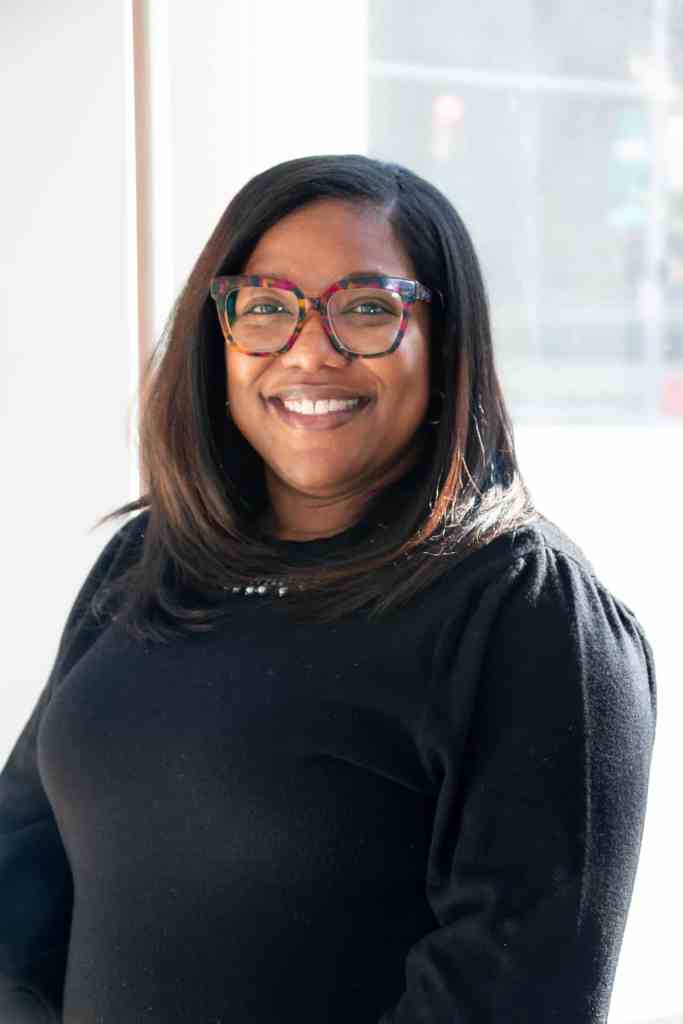
Erica Simpson, MSW, LICSW, PIP, CCM, is a pre-admission case manager at Spain Rehabilitation Center. She works behind the scenes to advocate on patients’ behalf, ensuring they have access to medically necessary services and preventing delays in care. This involves reviewing medical documentation, providing clinical justification, and negotiating with insurance providers.
“My job is rewarding because my work isn’t about saving people, it’s about honoring their humanity when everyone else has reduced them to a case number, diagnosis, or statistic,” Simpson said.
6. Technology is expanding the role of medical social workers.
As with other areas of healthcare, telehealth and electronic medical records allow medical social workers to have more impact. For example, technology can allow for remote counseling, virtual support groups, and more efficient care coordination.
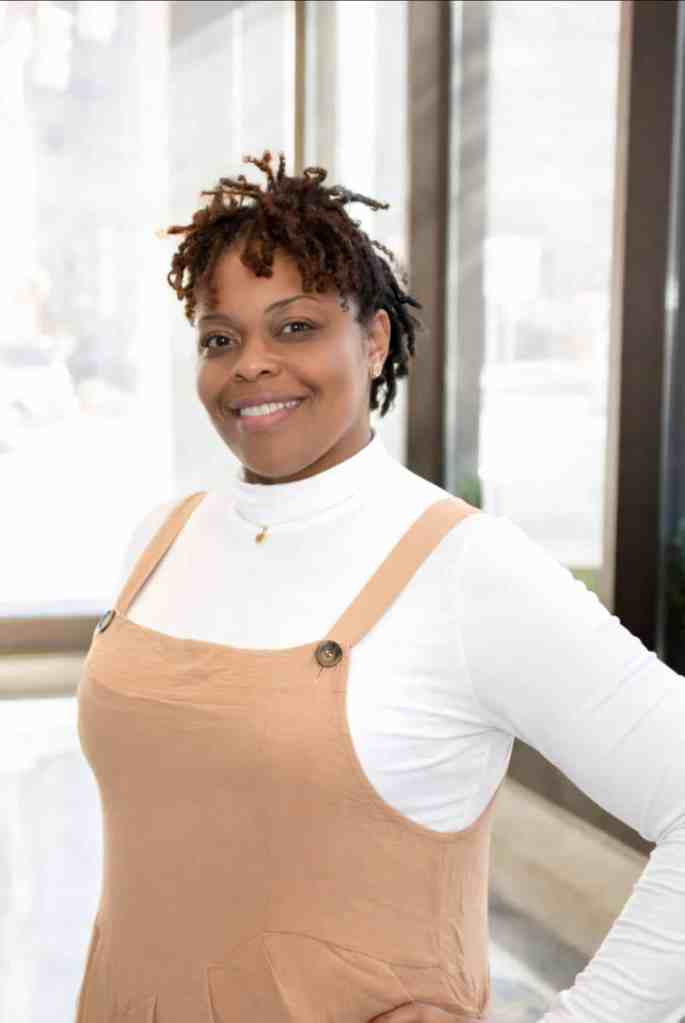
Toria Pettway, LMSW, is a psychiatric social worker with UAB Trauma Services. She co-facilitates the UAB Trauma Survivors Network Support Group, which meets monthly on Zoom to provide peer support for survivors of traumatic injuries.
“Technology allows me to connect patients from across the state and even the country who have similar experiences of trauma,” Pettway said. “These survivors are able to find meaningful support even though they are far apart and some are not able to easily leave their homes.”
7. Medical social workers are growing in demand.
According to the U.S. Bureau of Labor Statistics, healthcare social workers are in growing demand, with employment projected to rise 8% by 2034 due to aging populations and chronic health conditions.
The Bachelor of Science in Social Work (BSSW) and the Master of Social Work (MSW) programs at UAB are specifically created to prepare students for practice in health and behavioral health care settings, and the MSW program has a sole focus on clinical and medical social work to prepare students for “advanced clinical practice, particularly in health and medical settings, including a specific focus on interventions demonstrated to be effective for vulnerable populations” according to the program website.
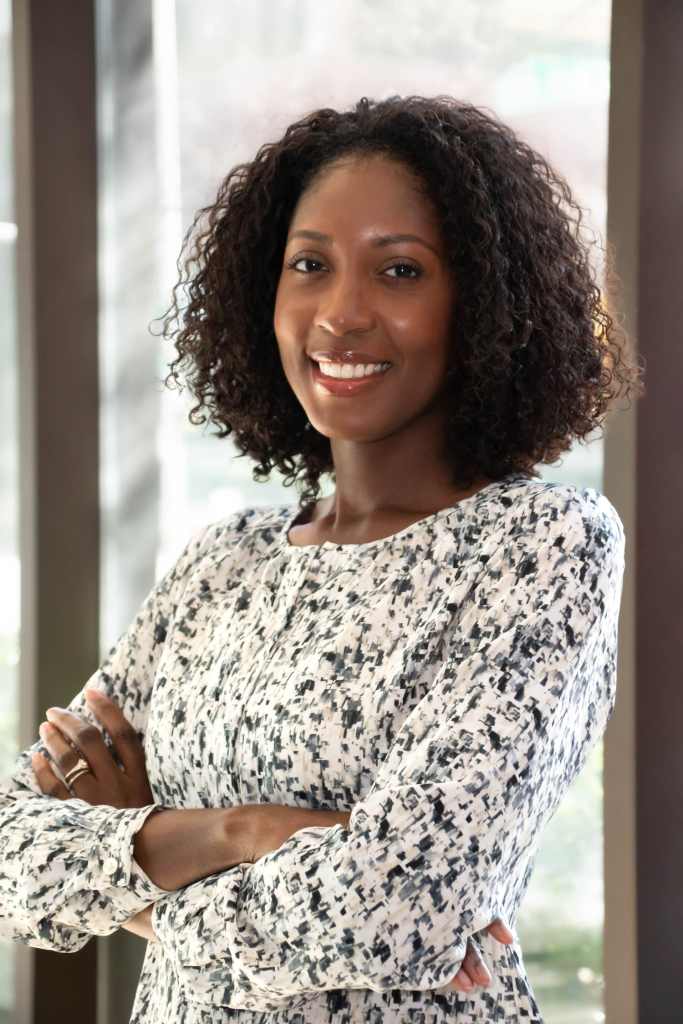
Joanna Hawkins, MSW, LICSW, is a social services supervisor at the 1917 Clinic, which provides care to nearly 4,000 patients with HIV. As a part of a collaborative leadership team, she shares responsibility for oversight, guidance, and support to a case management team of 19 employees, and also works directly with patients through psychosocial assessments, individualized case management, and referrals.
Hawkins pursued the LMSW at age 35, after 22 years in the restaurant and hospitality industry. She says many of her own friends had HIV, and she discovered a “deep calling” to support others in similar situations.
“I think my past lived experiences and background make me a great social worker,” Hawkins said. “I can multitask, manage my time, and know how to listen to people and treat them with respect. These are all skills or traits that make people good social workers.”
At UAB, medical social workers bring expertise, empathy, and commitment to patients and families across the entire health system. As these facts and personal stories make clear, medical social workers are essential partners in healing. As demand for their skills grows, so does the importance of supporting and celebrating the vital work they do every day.