
Robotic surgery allows specialized surgeons to perform highly precise procedures, with little damage to surrounding healthy tissue. Robotic surgeries are minimally invasive, meaning they are done through tiny cuts (incisions) in the skin. The surgeon’s hands control the high-tech robotic instruments, which have a 360-degree range of motion and provide greater accuracy than with traditional open surgery. Cameras in the robotic system magnify the surgical area in 3D and send high-definition video to monitors in the operating room.
This technology offers many benefits beyond accuracy, including faster recovery times, less pain and scarring, minimal blood loss, and shorter hospital stays. It’s ideal in trauma cases and for other patients who may not be stable enough for open surgery.
UAB Medicine’s Robotic Surgery Program is among the largest of its kind in the Southeast and has the highest patient volume in the country. Our roughly 25 robotic surgery experts perform about 3,500 procedures each year. They are board-certified and fellowship-trained, and they use the latest technology to provide compassionate, high-quality care.
We have 16 advanced robotic systems using two different robotic platforms. The da Vinci Surgical System is used for a wide range of procedures, and the newer ExcelsiusGPS robotic system – the only one in the Birmingham area – is used for spinal surgeries. We are a leader in the da Vinci Surgical System, attracting hundreds of surgeons around the world for observation and educational sessions. UAB’s multiple robots are used for many types of surgery, including:
- Abdominal
- Cancer (oncologic)
- Gynecologic
- Head and neck
- Heart
- Lung
- Spine or Neurosurgical
- Urologic
- Women’s reproductive tract
Care Providers
 Clifton Lewis, Sr., MD
Cardiac Surgery, Cardiothoracic Surgery, Thoracic Surgery
Clifton Lewis, Sr., MD
Cardiac Surgery, Cardiothoracic Surgery, Thoracic Surgery
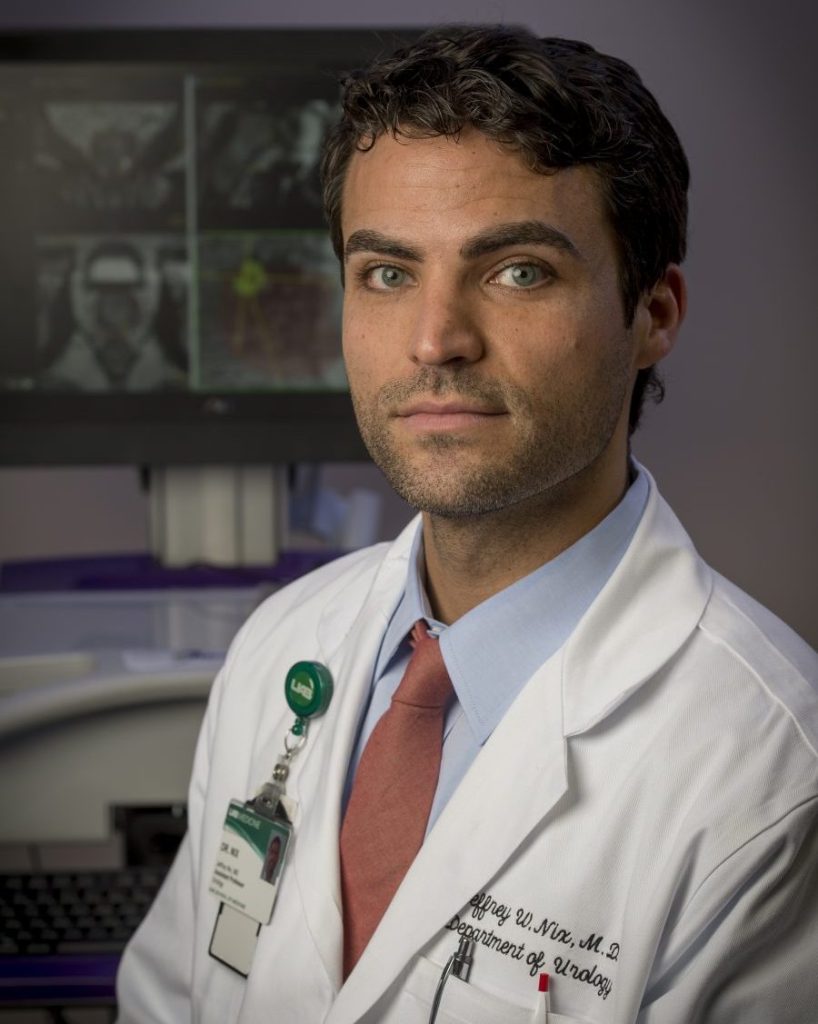 Jeffrey Nix, MD
Urology
Jeffrey Nix, MD
Urology
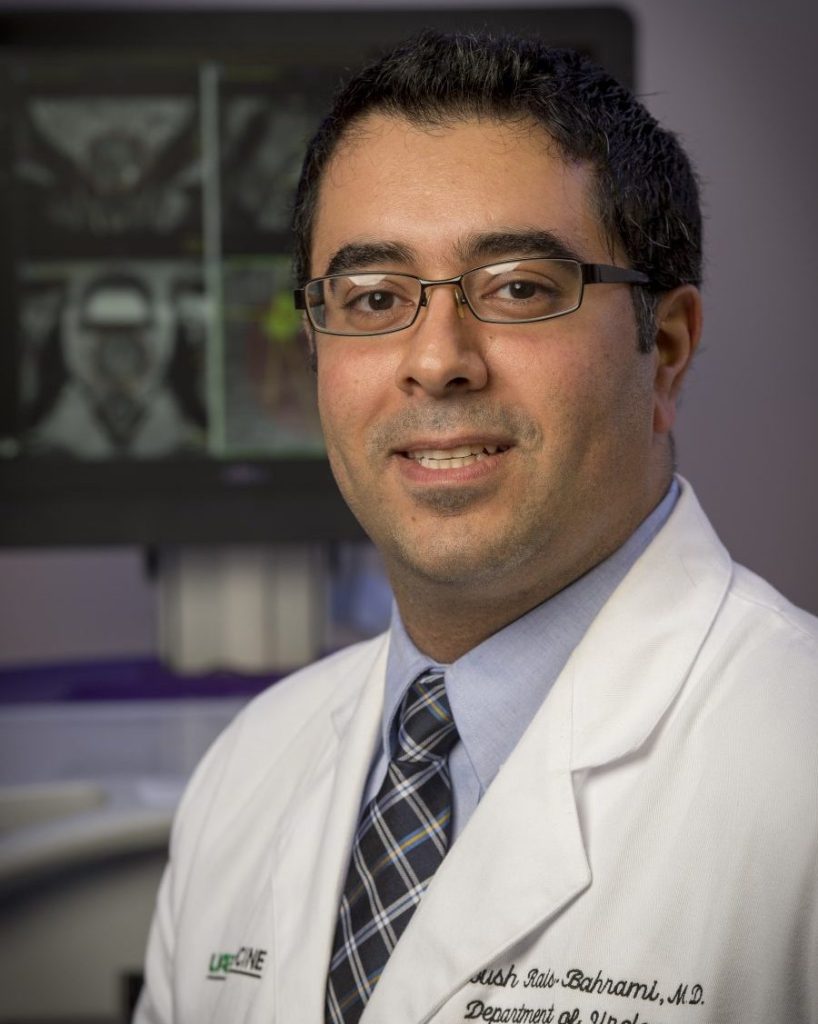 Soroush Rais-Bahrami, MD
Urology
Soroush Rais-Bahrami, MD
Urology
 Sunil Sudarshan, MD
Urology
Sunil Sudarshan, MD
Urology
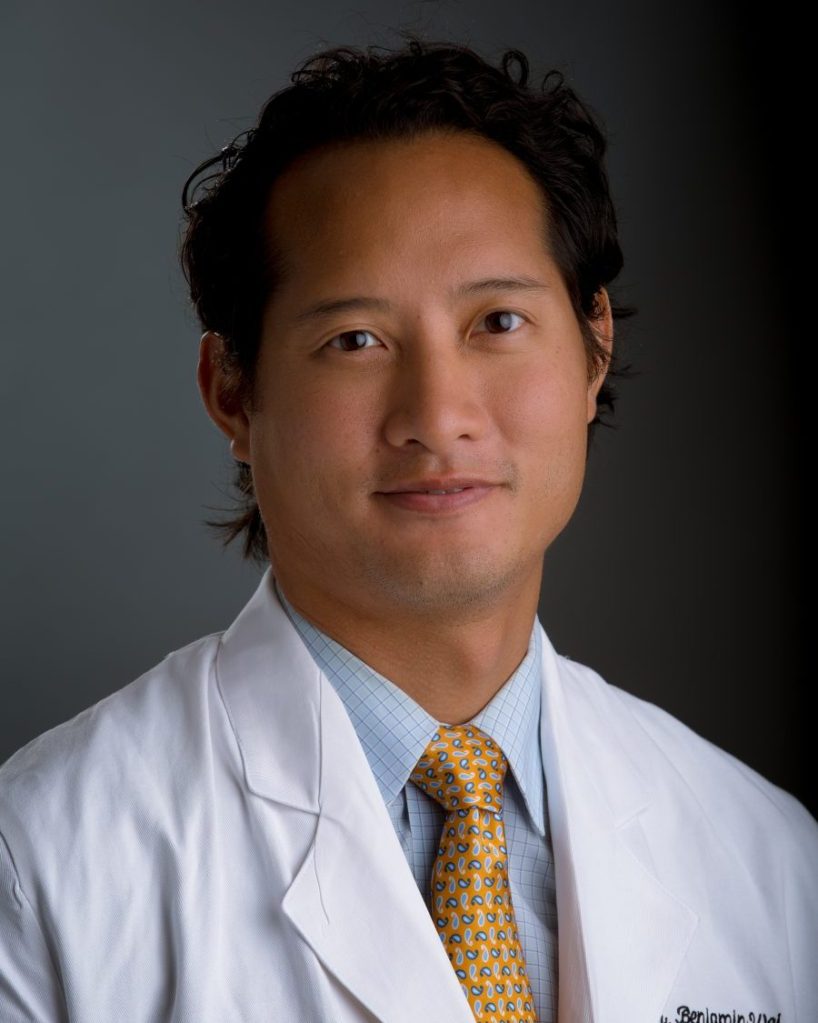 Benjamin Wei, MD
Cardiac Surgery, Cardiothoracic Surgery, Thoracic Surgery
Benjamin Wei, MD
Cardiac Surgery, Cardiothoracic Surgery, Thoracic Surgery
 Kirk Withrow, MD
Head and Neck Surgery, Head and Neck Surgical Oncology, Otolaryngology, Sleep Surgery, Surgical Oncology
Kirk Withrow, MD
Head and Neck Surgery, Head and Neck Surgical Oncology, Otolaryngology, Sleep Surgery, Surgical Oncology
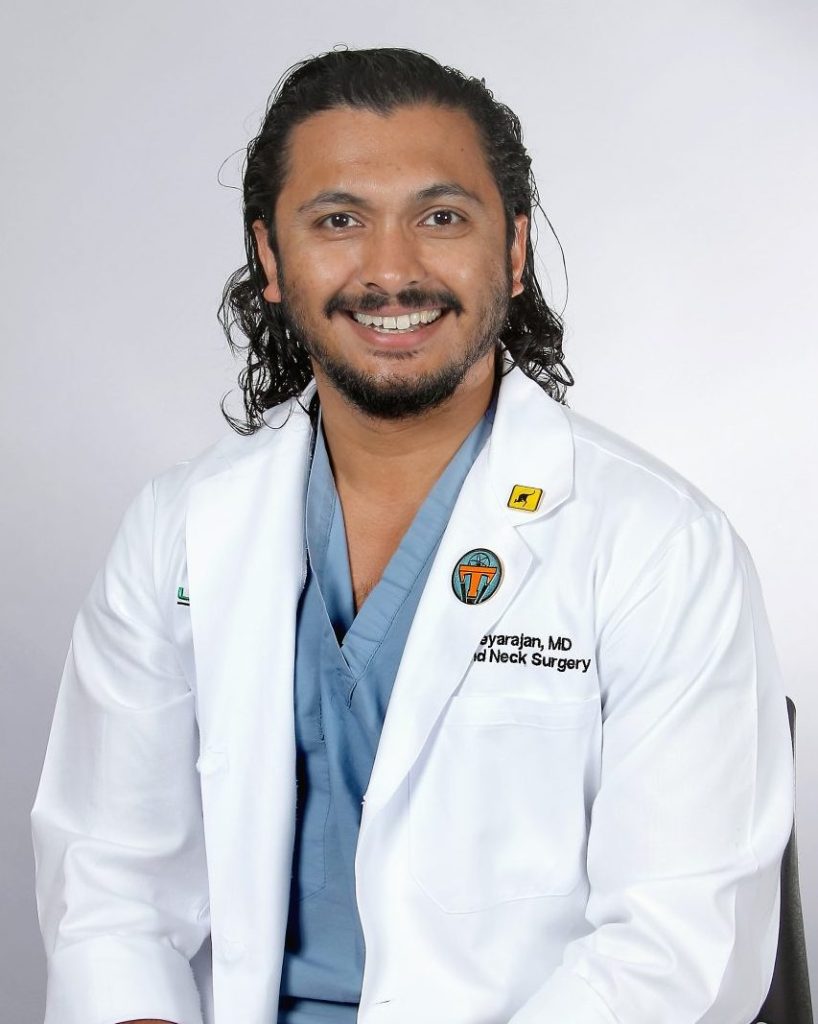 Harishanker Jeyarajan, MD
Head and Neck Surgery, Head and Neck Surgical Oncology, Microvascular Plastic Surgery, Otolaryngology, Surgical Oncology
Harishanker Jeyarajan, MD
Head and Neck Surgery, Head and Neck Surgical Oncology, Microvascular Plastic Surgery, Otolaryngology, Surgical Oncology
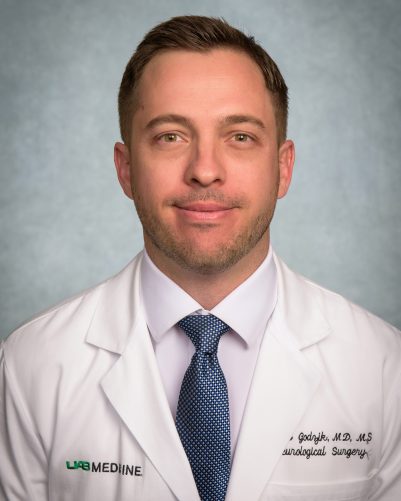 Jakub Godzik, MD
Neurosurgery
Jakub Godzik, MD
Neurosurgery
Videos
 Women’s Health with Dr. Huh: Early Pregnancy LossDr. Huh is joined by Shweta Patel, M.D., an obstetrician, to share little-known facts about early pregnancy loss that can help patients understand this emotional experience.ListenClose
 Close
Close The Role of a Rehabilitation Psychologist on an Interdisciplinary Rehab TeamListenCME/CE0.25Minutes13Close








Resources
- Division of Women’s Reproductive Healthcare
- Division of Gynecologic Oncology
- Division of Otolaryngology – Head and Neck Surgery
- Department of Urology
- Surgical Oncology
- Division of Cardiothoracic Surgery
Clinical Trials
Speak to your physician about your options and browse the link below for more information


Latest News
View All News-
UAB surgeons complete first adult living-liver donor transplant in Alabama
March 13, 2026
-
A hidden immune circuit in the uterus revealed: Findings shed light on preeclampsia and early pregnancy failure
March 11, 2026
-
Smart choices, safer break: Tips for drinking responsibly
March 2, 2026
-
UAB performs first National Kidney Registry transplants in Alabama
February 20, 2026
-
UAB performs first robotic kidney transplant in the Southeast
January 26, 2026