Vasculitis, also known as angiitis or arteritis, is inflammation (swelling) of the body’s blood vessels. Inflamed blood vessel walls may stretch, weaken, or become scarred, and they may thicken or narrow over time. In some cases, they become so narrow that they reduce or cut off the blood supply to organs, which can lead to tissue death.
Vasculitis also can result in an aneurysm, which is a bulging or weakening of a blood vessel. If an aneurysm ruptures, it can cause severe bleeding and even death in some cases.
Possible causes
Vasculitis can affect men and women of all ages. The cause is not known, but it can be triggered by medication or an allergic reaction. Vasculitis also can be linked to certain current or recent viral infections, which can cause an abnormal response from the immune system and damage blood vessels. Vasculitis also may be triggered by complications from long-term immune system disorders, such as lupus and rheumatoid arthritis. Vasculitis can be chronic (lasting a long time) or acute (brief).
Why choose UAB Medicine
The UAB Division of Clinical Immunology and Rheumatology has consistently been ranked among the top 12 programs of their kind in the nation by U.S. News & World Report. It is internationally recognized for research aimed at improving the diagnosis and treatment for patients with rheumatic diseases like vasculitis. The program logs more than 10,000 visits annually from patients with various forms of connective tissue disease. It is staffed by specialists in multiple fields, making it easier for physicians to work together toward more effective patient care.
Care Providers
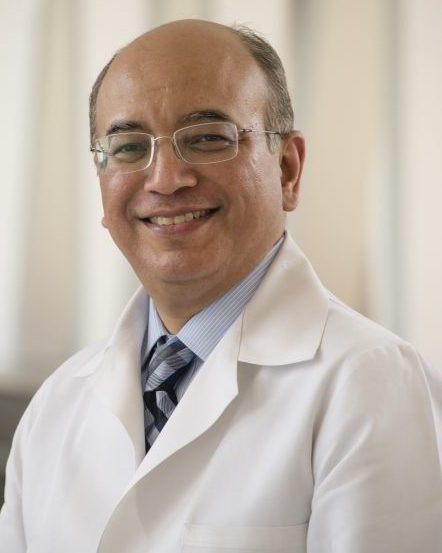 Khurram Bashir, MD, MPH
Neurology
Khurram Bashir, MD, MPH
Neurology
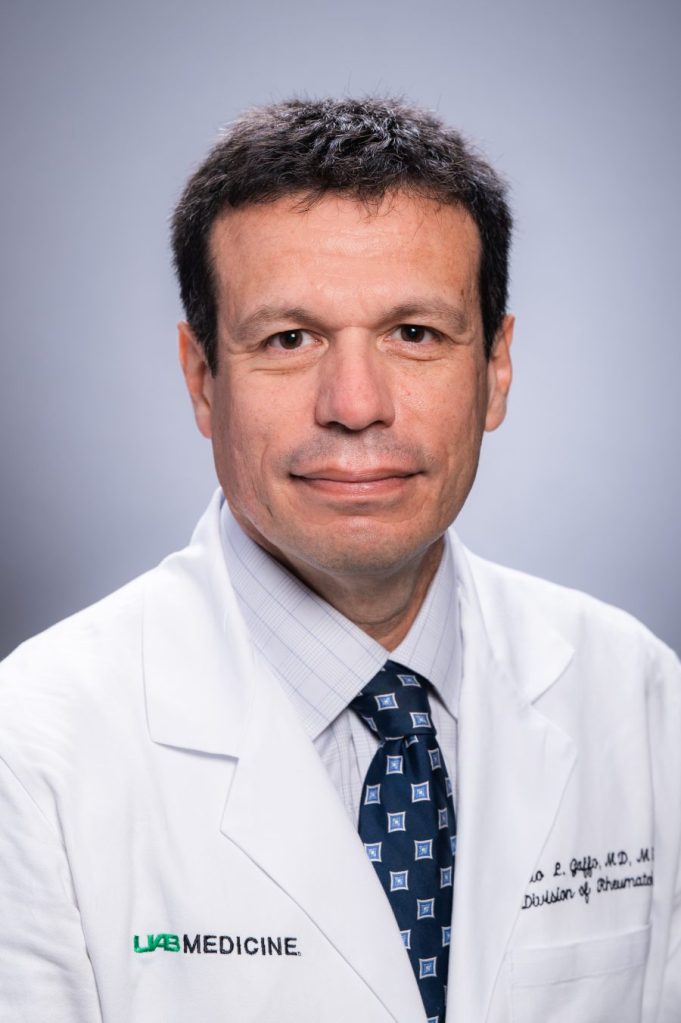 Angelo Gaffo Llontop, MD
Rheumatology
Angelo Gaffo Llontop, MD
Rheumatology
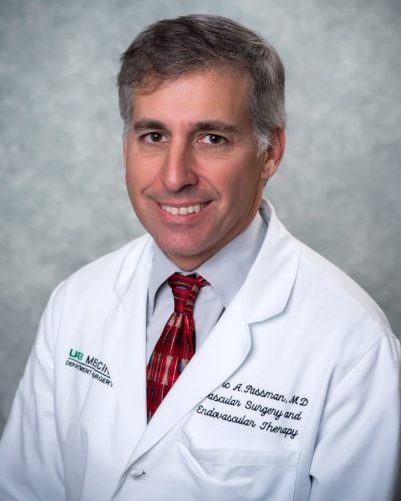 Marc Passman, MD
Endovascular Surgery, Vascular Surgery
Marc Passman, MD
Endovascular Surgery, Vascular Surgery
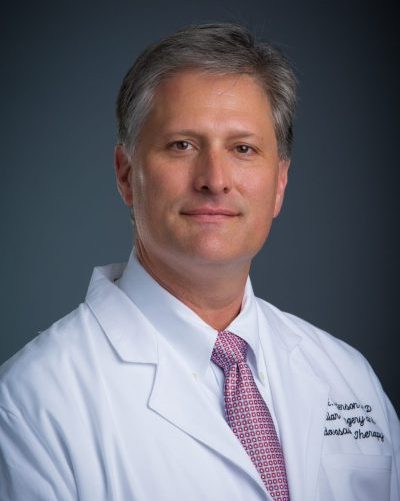 Mark Patterson, MD
Vascular Surgery
Mark Patterson, MD
Vascular Surgery
 Benjamin Pearce, MD
Endovascular Surgery, Vascular Surgery
John Rinker, II, MD
Neurology
Benjamin Pearce, MD
Endovascular Surgery, Vascular Surgery
John Rinker, II, MD
Neurology
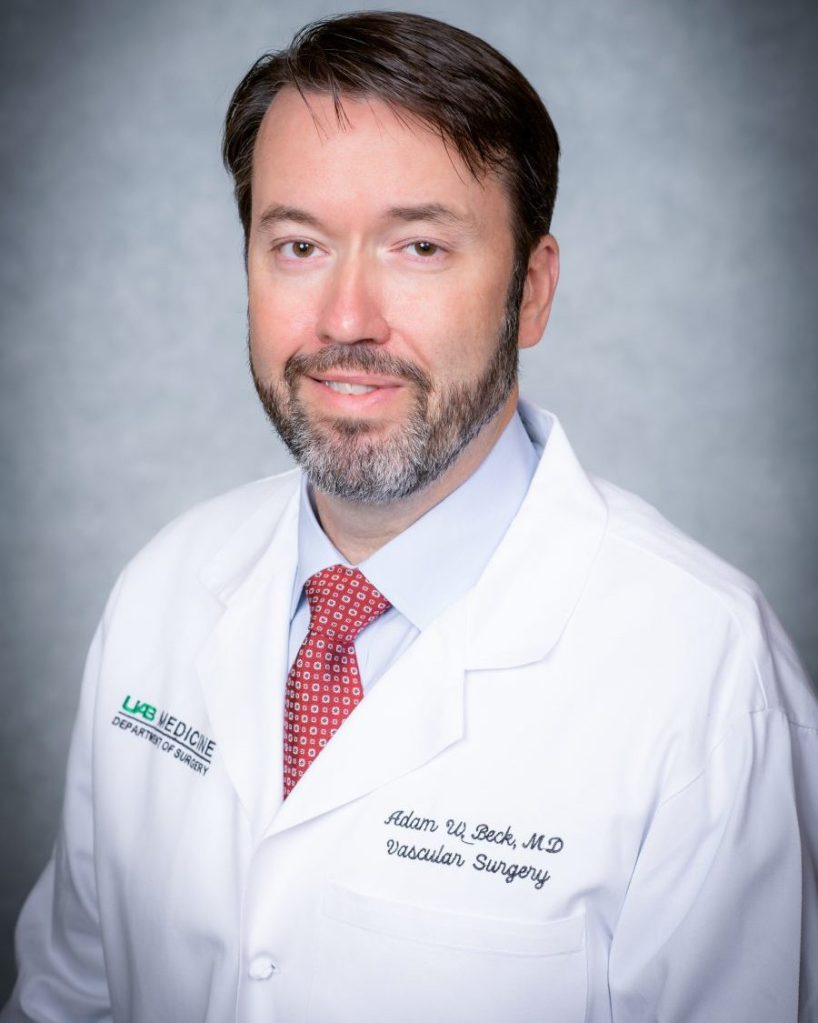 Adam Beck, MD, FACS
Vascular Surgery
Adam Beck, MD, FACS
Vascular Surgery
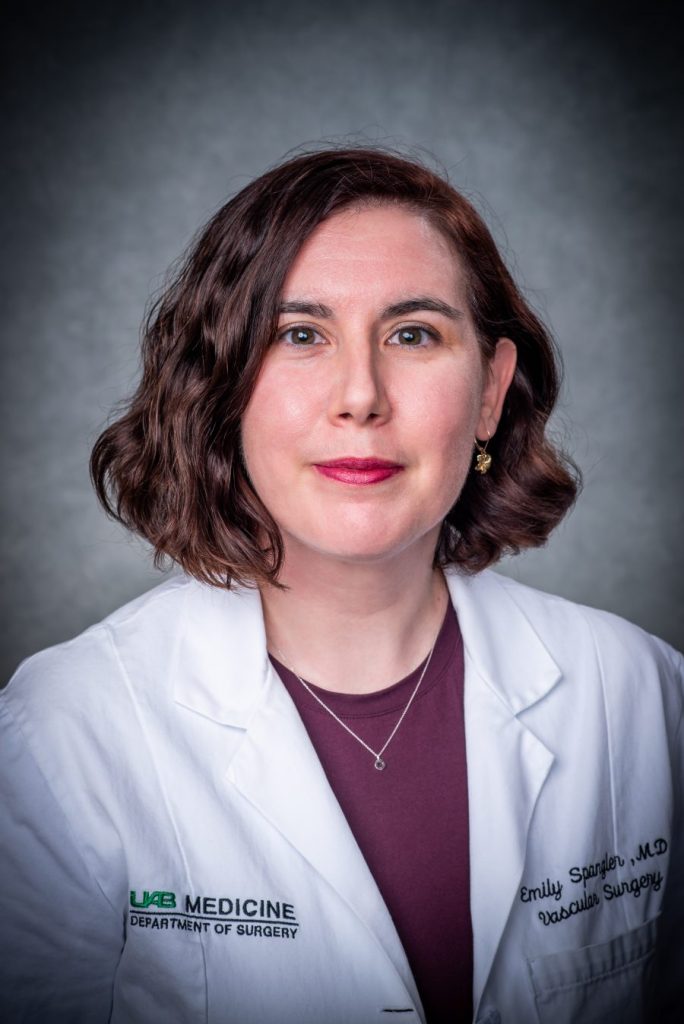 Emily Spangler, MD
Endovascular Surgery, Vascular Surgery
Emily Spangler, MD
Endovascular Surgery, Vascular Surgery
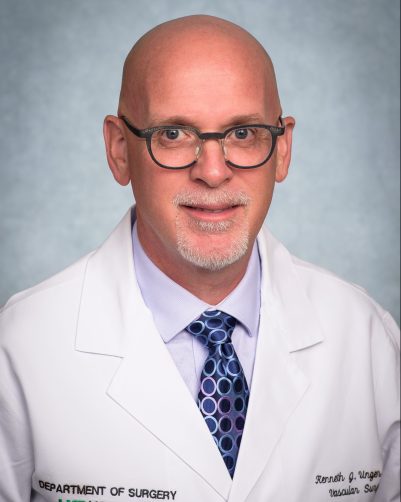 Ken Unger, DPM
Podiatry
Ken Unger, DPM
Podiatry
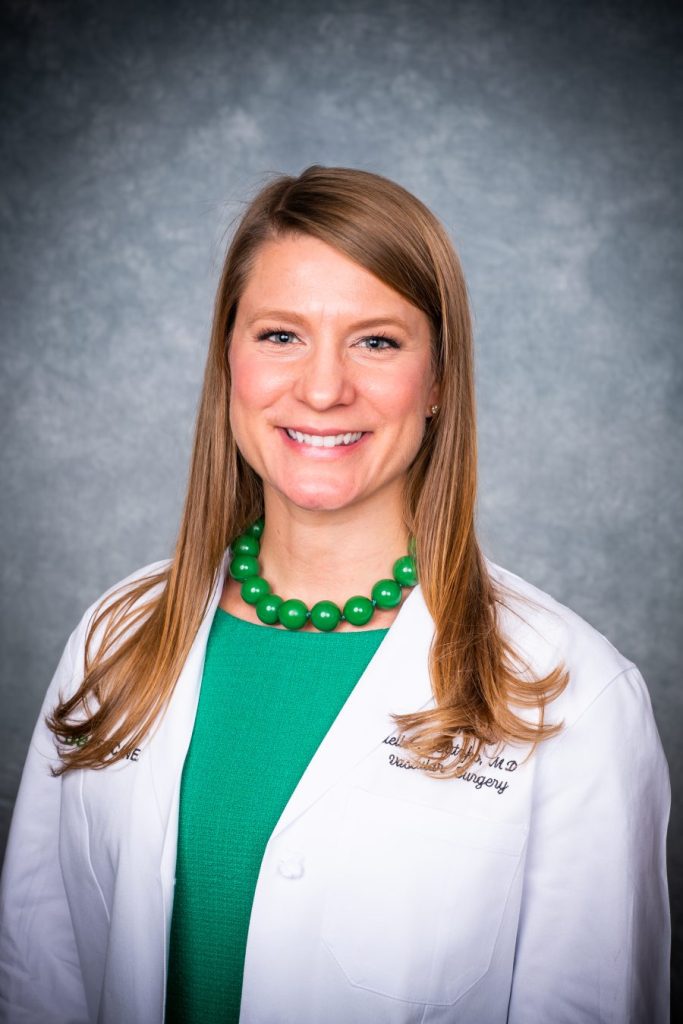 Danielle Sutzko, MD
Vascular Surgery
Danielle Sutzko, MD
Vascular Surgery
Resources
- Department of Neurosurgery
- Department of Neurology
- Division of Clinical Immunology and Rheumatology
- Healthy Veins
- Vascular Disease Foundation
- Vasculitis
Clinical Trials
Speak to your physician about your options and browse the link below for more information