UAB Cardiovascular Institute: Knowledge. Moving medicine forward
UAB Medicine is playing a key role nationally in advancing research and treatment for hypertrophic cardiomyopathy (HCM), thanks in part to a new partnership with the American Heart Association and other U.S. hospitals. The Association is celebrating this effort by presenting UAB with a Get With The Guidelines® 2025 Innovator Award.
Read More
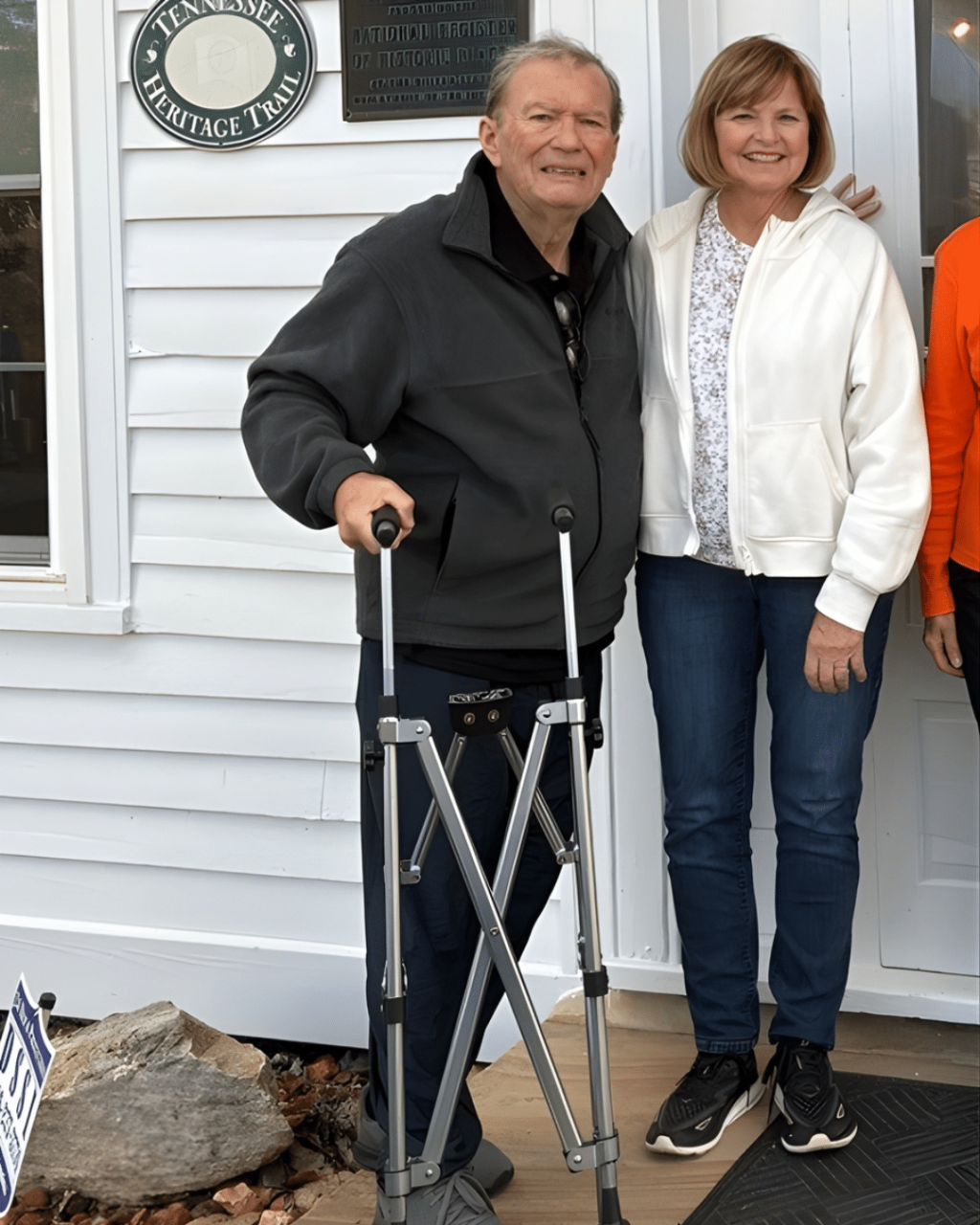
People with newly acquired disabilities often face big challenges after returning home following a hospital stay and inpatient rehabilitation services. They and their care partners can benefit greatly from post-rehabilitation transition programs, but there’s an urgent need for these services in Alabama.
Read More
From holiday parties to New Year’s celebrations, the winter season is full of reasons to raise a glass. But with many festive gatherings comes a higher risk of overindulging. Knowing the safe limits for alcohol consumption is essential to keeping the holidays responsible.
Read More
Being diagnosed with Type 1 diabetes at the age of 19 changed the trajectory of Nicole Johnson’s life. She was a college student and pageant contestant with no family history of the disease and no idea of what it would mean to live the rest of her life with a chronic illness that today affects 1.7 million people in the United States.
Read More
More than 10,000 Alabamians have received genetic testing that could change the course of their health through the Alabama Genomic Health Initiative. Supported by the State of Alabama and driven by a shared goal to improve health outcomes through science and collaboration, AGHI, led by the University of Alabama at Birmingham and the HudsonAlpha Institute for Biotechnology, has reached this milestone in its effort to make precision medicine available to all Alabamians.
Read More
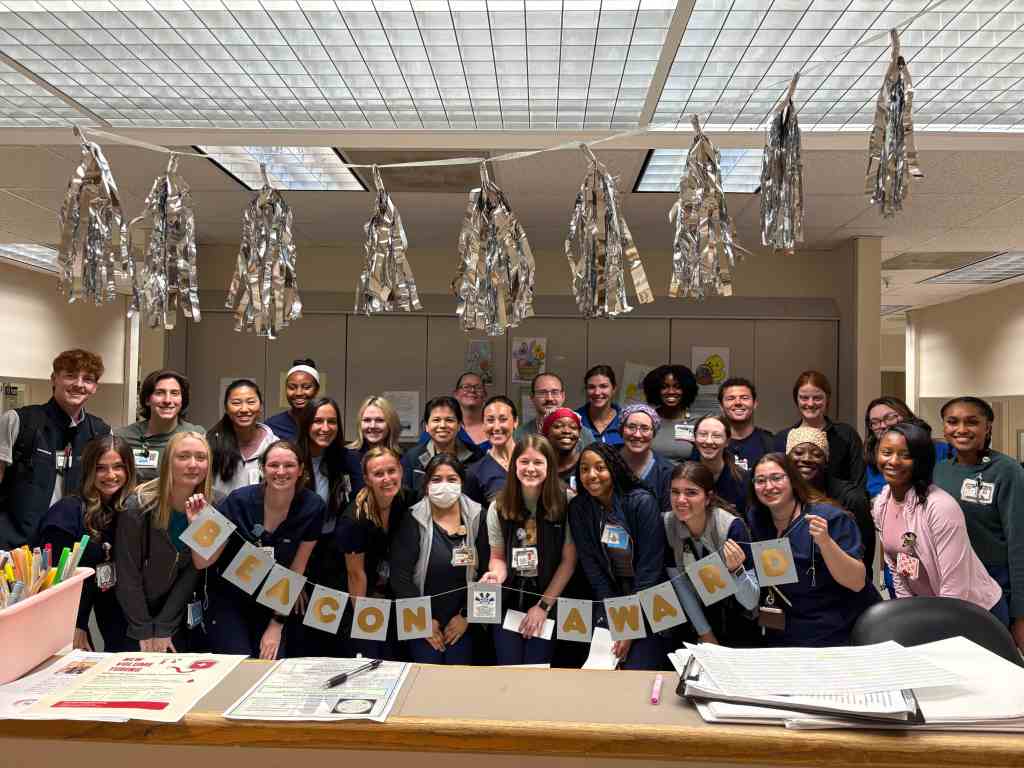
Andrea Blizzard, RN, MSN, never thought she would end up working in the same type of unit where she began her life, but today she says she can’t imagine being anywhere else.
Read More
The UAB Orthopaedic Optimization Clinic was created to improve surgical outcomes for patients with complex medical needs by proactively addressing modifiable risk factors before surgery.
Read More
Caregivers play a vital role in senior health, from managing medications and preventing falls to monitoring mental health and handling emergencies. At the UAB Medicine, there are resources to help caregivers effectively support the health and well-being of older adults.
Read More
At the major league level, a pitcher’s arm can be worth tens of millions of dollars. Players, teams and Major League Baseball itself all have a vested interest in reducing season- and potentially career-ending arm injuries. Yet, according to a 2024 report by the league, tears to the ulnar collateral ligament, or UCL, have never been higher. In that report, the unprecedented speeds of today’s pitches, and their jaw-dropping spin and movement, are directly correlated with injury risk — specifically, risk for needing UCL reconstruction, the surgery made famous in 1974 by the Dodgers star Tommy John.
Read More
When it comes to finding the right wheelchair, no two patients are the same. Their needs can vary greatly depending on their condition, abilities, and lifestyle. And given the level of customization and technology available today, the options are virtually endless.
Read More
UAB Medicine leads the way in health care that improves and saves lives – sometimes in ways you can touch, hold, and burp. In the UAB Regional Newborn Intensive Care Unit (RNICU), some premature babies owe their future to an innovative program born here called Golden Week. November marks the 10th anniversary of Golden Week, as well as being Prematurity Awareness Month.
Read More
Being able to drive means freedom for many people, but that ability may be limited after certain injuries or medical conditions. The Driving and Community Mobility Program at UAB Spain Rehabilitation Center was created to address this. For patients affected by physical, sensory, or mental processing impairments, the program can improve their quality of life by helping them safely regain as much independence as possible.
Read More