
It’s a story Jamie Hazel has heard throughout her life. Her birth was a miracle, because her mother developed high blood pressure during pregnancy and was diagnosed with preeclampsia, a potentially serious condition.
Preeclampsia reduces blood flow to the fetus, resulting in less oxygen and fewer nutrients. Swelling due to fluid buildup and too much protein in the urine are other common symptoms. It can be life-threatening, as it can cause uncontrollable bleeding, stroke, and seizures in mother or baby.
“They had prepared her for the worst,” Hazel said of her mother’s care team. “They said she could have a stroke and potentially die, or that I could have severe complications.”
Due to these risks, her mother’s care was transferred to UAB Medicine, so Hazel could receive care in the UAB Regional Newborn Intensive Care Unit (RNICU). As Alabama’s only Level IV NICU, it provides the highest level of care for sick and premature babies.
Premature birth
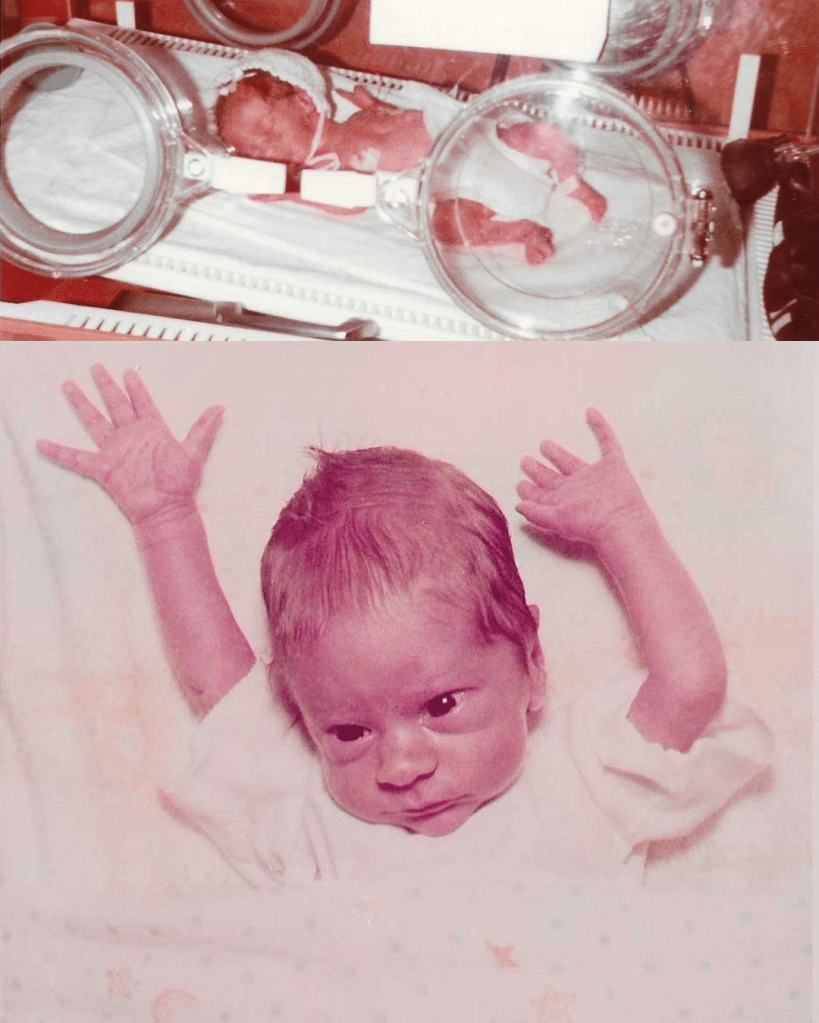
At 33 weeks into the pregnancy, labor was induced, and Hazel was born weighing 2 pounds and 15 ounces. Fortunately, she was perfectly healthy and only spent a week in the UAB RNICU before mom and baby were transferred to a nearby hospital, where they were discharged home after 1.5 weeks.
“From early on, my mom would always say, ‘Hey, you know, you’re a miracle,’” Hazel recalled. “Throughout my life, I’ve been told that the care I had from the very beginning – them saving my mom’s life, which therefore saved my life – was a blessing.”
Hazel carries that experience with her, and today she shares her story with parents going through similar challenges at the UAB Women & Infants Center’s Continuing Care Nursery (CCN), where she’s an assistant nurse manager.
“I can say to parents that it might seem like a dire situation now, but there are positive outcomes,” Hazel said. “I can go in with my experience, of what my mom has said and how appreciative she was of the care she received. But then I can also say, ‘I was born early too, and here I am today.’”
Hazel decided to pursue nursing after high school, earning an associate degree at Bevill State Community College and her bachelor’s degree at the University of Alabama. “I love kids and babies, and I knew that pediatrics would always be where I would end up,” she said.
A difficult but rewarding journey
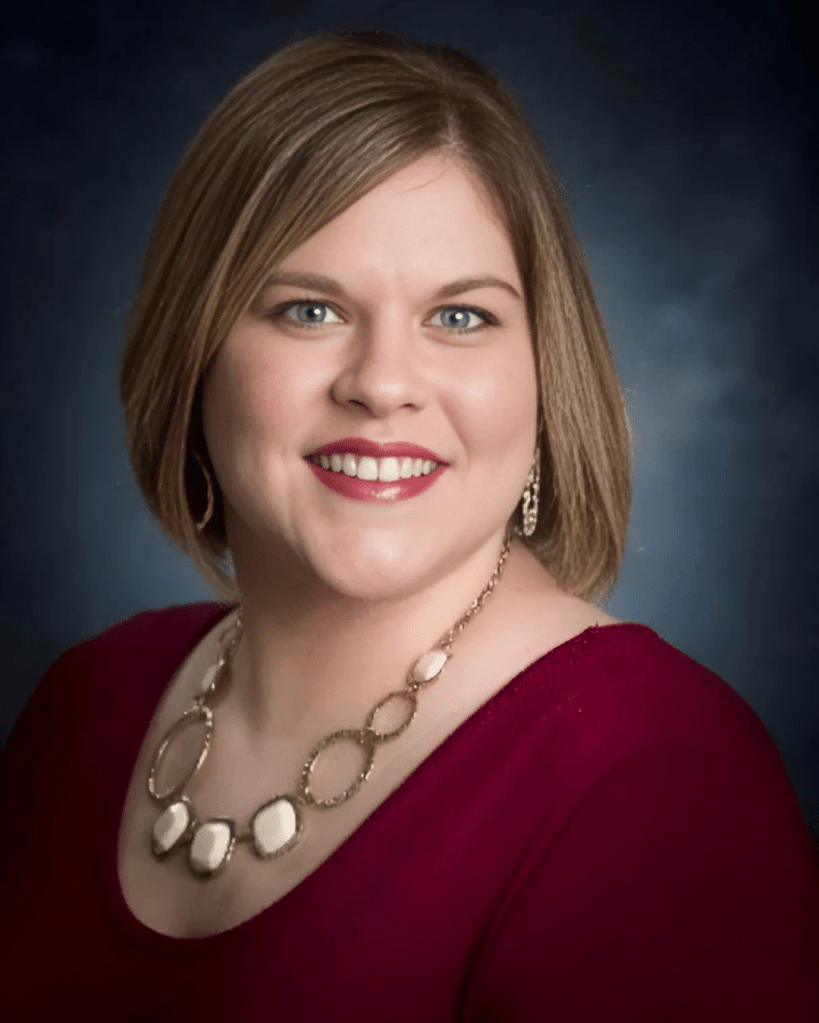
For the past 11 years, Hazel has worked in the CCN, which is a step-down nursery for babies moving out of the RNICU as they continue to grow and prepare to go home. It’s also used for closer observation of newborns transferred from the well-baby nursery.
“A major part of nursing is compassion and empathy for others and taking care of others,” Hazel said. “I get to meet a lot of parents in my role, since I am floating around the unit checking on and assisting everyone.”
Her journey into health care may sound like destiny, but it did not come without effort. Hazel offers some advice for those wanting to pursue a nursing career.
“I would say stick with it, because nursing school isn’t easy and you can get discouraged, but keep in mind what made you pursue it in the first place,” Hazel said. “You have to go back to that in those difficult times and just push through and see your end goal of what you can do for others.”
September is NICU Awareness Month. Click here to learn more about the Regional Newborn Intensive Care Unit and Continuing Care Nursery at the UAB Women & Infants Center.