Hypertension / High Blood Pressure
- Home
- News
- Hypertension / High Blood Pressure
Hypertension / High Blood Pressure
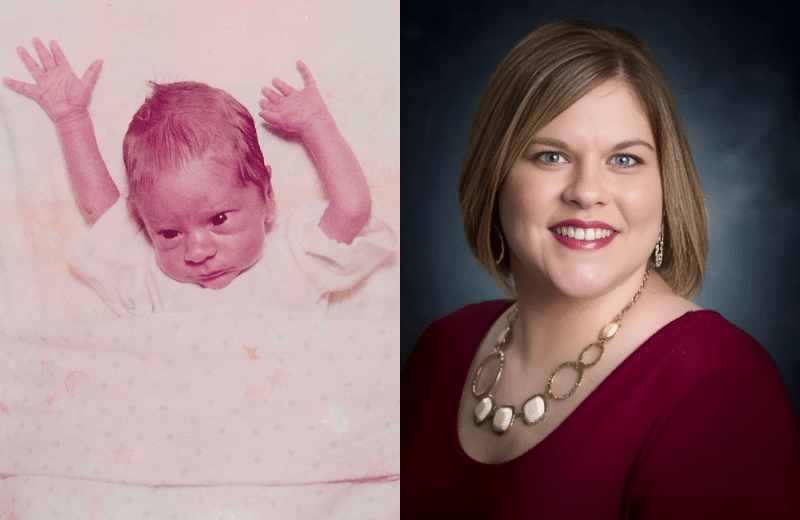
It’s a story Jamie Hazel has heard throughout her life. Her birth was a miracle, because her mother developed high blood pressure during pregnancy and was diagnosed with preeclampsia, a potentially serious condition.
Read More
Kidney stone disease is increasingly recognized as a chronic condition closely tied to metabolic health, with obesity standing out as a major risk factor. Conditions such as diabetes, hypertension and cardiovascular disease are closely associated with the development and recurrence of kidney stones.
Read More
Experts at the University of Alabama at Birmingham Cardiovascular Institute are offering a new treatment for patients with uncontrolled hypertension who have not had success lowering their blood pressure with the use of medications. The new treatment involves renal denervation — a minimally invasive procedure that targets nerves near the kidneys that can become overactive and cause high blood pressure.
Read More
The study found that 70-75 percent of all participants, regardless of whether they were already on blood pressure medications or not, were likely to see a reduction in their blood pressure if they lowered the sodium in their diet.
Read More
Hypertension is high blood pressure. Blood pressure is measured by the force of the blood that the heart pumps against the artery walls. If that force is too high, it can cause health problems, such as heart disease or stroke. The more blood the heart pumps and the narrower the arteries, the higher the blood […]
Read More
Many people with high blood pressure (hypertension) don't know they have it. It causes damage slowly over a long period of time, often without noticeable symptoms, and it puts you at greater risks for developing life-changing and life-threatening medical conditions.
Read More
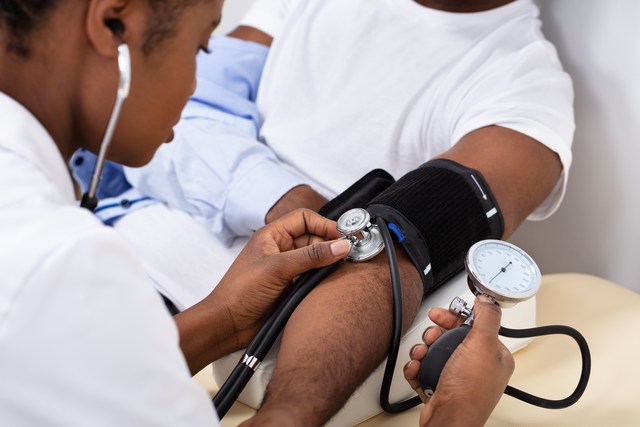
Medical professionals have long known that blood pressure measured in a doctor’s office may not match your true normal blood pressure. This may be due to one of two conditions that cause “false” readings, and recent research shows that both call for more consistent and accurate blood pressure monitoring.
Read More