
A congenital diaphragmatic hernia is a birth defect that results in an abnormal opening or hole in the diaphragm, which is the muscle under the lung that helps with breathing. This hole allows other body organs – such as the spleen, liver, kidneys, stomach, and intestines – to move into the chest near the lungs. The organs can then push into the lungs, making it difficult to breathe or even causing the lungs to collapse. This condition also can prevent lung tissue from developing fully.
This type of hernia occurs due to problems during fetal development and affects about 1 in 2,500 newborns. If a parent or sibling has this condition, it can increase the risk of a newborn also having it. A congenital diaphragmatic hernia often can be diagnosed with an ultrasound during pregnancy. If not, it usually is discovered shortly after birth, when the infant shows signs of breathing problems. Newborns with this condition may appear slightly blue, due to low oxygen levels. They also may have a fast heart rate (tachycardia) or rapid breathing (tachypnea).
Surgical procedures and other treatments can help improve this condition, but long-term effects may remain. In some severe cases diagnosed before birth, treatment for the fetus is available.
Why choose UAB Medicine
The Maternal-Fetal Medicine (MFM) specialists at the UAB Women & Infants Center are available on site 24/7 to manage problems with high-risk pregnancies. Our physicians are experts at managing conditions such as diabetes, high blood pressure, multiple births, and premature delivery.
UAB Medicine’s MFM program is among the most advanced in the nation, and we are one of only 14 medical centers that participates in the national Maternal-Fetal Medicine Units Network for high-risk pregnancy research. Because UAB is a major center for research, patients may have access to new treatments that are not available elsewhere. For mothers who’ve had a preterm birth before, these advanced treatments can reduce their chance of having another preterm birth by one-third to one-half.
UAB provides the most advanced MFM care, including first-trimester diagnosis, genetic testing and counseling, and 4D-ultrasound and fetal imaging. All of our MFM specialists are board-certified, and our team also includes certified genetics specialists.
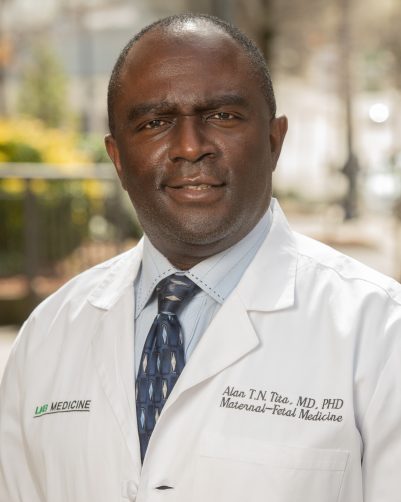
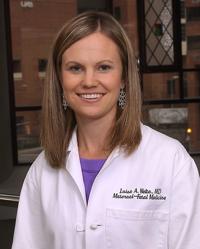
Care Providers


Resources
Related Specialties
Clinical Trials
Speak to your physician about your options and browse the link below for more information

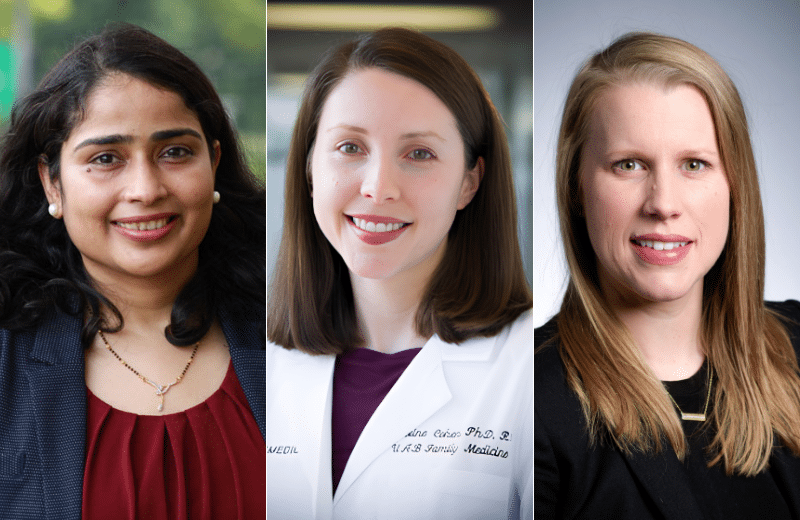

Latest News
View All News-
How a prenatal genetic test saved an Alabama mother and her baby
February 13, 2026
-
Clinical trial explores new guidelines for treating hypertension disorder of pregnancy
October 28, 2025
-
World-record-breaking quadruplets delivered at UAB
June 11, 2025
-
Hope and resilience: Two mothers from two different countries fight for one baby’s life
May 6, 2025
-
Heartfelt homecoming: NICU families unite to thank UAB care team
December 19, 2024