
Parkinson’s disease is a brain disorder that causes shaking and other uncontrollable movements, balance and coordination problems, and stiffness. Symptoms usually start out mild and get worse over time. As the disease advances, it can interfere with walking and talking. It also can cause mental and behavioral changes, sleep problems, depression, memory issues, and exhaustion.
Parkinson’s disease (PD) is a progressive disorder affecting the brain cells that make dopamine, a chemical that helps control movement and other functions. Over time, these brain cells become damaged or die, resulting in a wide range of physical, mental, and behavioral symptoms. For this reason, PD is classified as a neurodegenerative disease.
How common is PD?
Nearly one million Americans and 10 million people worldwide live with PD, including over 16,000 in Alabama. About 90,000 people in the U.S. are diagnosed with PD each year. It is the second most common neurodegenerative condition after Alzheimer’s disease.
What are common symptoms of PD?
PD causes both movement-related (motor) and non-movement (non-motor) symptoms.
Movement (Motor) symptoms
- Tremor, mainly at rest and often in the hands
- Problems with voice, swallowing, and/or speech
- Slowness of movements (bradykinesia)
- Rigidity and stiffness
- Walking (gait) and balance problems
Non-movement (Non-motor) symptoms
- Apathy
- Depression
- Constipation
- Sleep behavior disorders
- Loss of sense of smell
- Cognitive impairment (trouble with memory, thinking, and concentrating)
Whom does PD affect?
Getting older is the biggest risk factor for PD, and most people diagnosed are in their 60s. However, some people develop PD before age 50, known as young-onset PD. Men are 1.5 times more likely to have PD than women. Only about 10-15% of all cases of PD are thought to be caused by inherited genetic factors. In the other 85-90% of cases, the cause is unknown.
How is PD diagnosed?
Currently, PD is diagnosed through a clinical examination. Physicians use a combination of clinical exams and tests to evaluate symptoms.
How is PD treated?
Treatment for PD is based on symptoms and may include medications, surgery, therapy, or some combination of these. Lifestyle changes may also be part of treatment, such as increasing movement through exercise or working with speech-language pathologists to strengthen voice and swallowing.
Frequently asked questions
Care Providers
 Paul Atchison, MD
Movement Disorders Neurology, Neurology
Paul Atchison, MD
Movement Disorders Neurology, Neurology
 Juliana Coleman, MD
Neurology, Movement Disorders Neurology
Juliana Coleman, MD
Neurology, Movement Disorders Neurology
 Marissa Dean, MD
Neurology
Marissa Dean, MD
Neurology
 Ben McCullough, MD
Neurology
Ben McCullough, MD
Neurology
 Rebeka Sipma, MD
Neurology
Rebeka Sipma, MD
Neurology
 Bryan Smelser, MD
Neurology
Bryan Smelser, MD
Neurology
 David Standaert, MD, PhD
Neurology
David Standaert, MD, PhD
Neurology
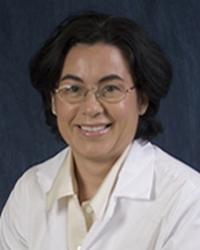 Natividad P. Stover, MD
Neurology
Natividad P. Stover, MD
Neurology
 Victor Sung, MD
Neurology
Victor Sung, MD
Neurology
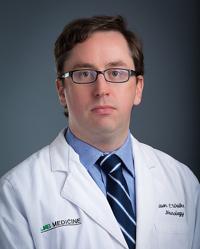 Harrison Walker, III, MD
Neurology
Harrison Walker, III, MD
Neurology
 Ray Watts, MD
Neurology
Ray Watts, MD
Neurology
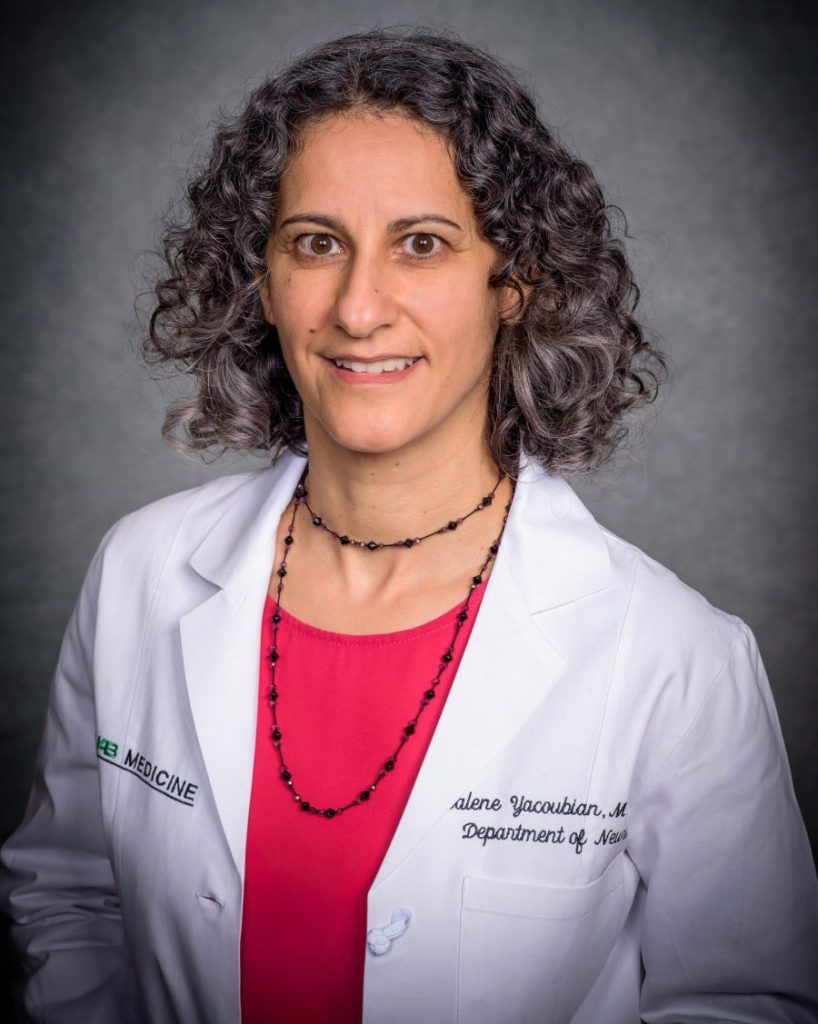 Talene Yacoubian, MD, PhD
Neurology
Talene Yacoubian, MD, PhD
Neurology
Resources
- American Parkinson Disease Association
- Davis Phinney Foundation for Parkinson’s
- Michael J. Fox Foundation
- Parkinson’s Foundation
- National Institute of Neurological Disorders and Stroke
- Parkinson Association of Alabama
- Parkinson’s Disease: The Essentials (webinar), American Parkinson Disease Association
- The Parkinson’s Handbook, American Parkinson Disease Association
- Wellness Team Contact Information
- Parkinson’s Care Questionnaire
- Parkinson’s Disease: My Symptoms Worksheet
Related Specialties
- Deep brain stimulation
- Dermatology
- Division of Memory Disorders and Behavioral Neurology
- Geriatric services
- Neurology and neurosurgery
- Nutritionists/registered dieticians
- Optometry/ophthalmology
- Outpatient Rehabilitation Services
- Speech therapy/language pathology
- Physical therapy
- Sleep/Wake Disorders Center
Clinical Trials
Speak to your physician about your options and browse the link below for more information



Latest News
View All News-
UAB reports Blue Ridge results, marked by departmental progress
April 2, 2026
-
New research shows improving blood flow to the brain in arteries with plaque did not improve cognitive skills
February 4, 2026
-
Boosting levels of a protein could relieve pain after surgery, reducing reliance on opioids
January 29, 2026
-
Study uncovers links between diabetes, nerve damage and chronic pain
January 21, 2026
-
Stenting with medication cuts stroke risk in half for high-risk patients, UAB research shows
November 21, 2025